Forton Furniture Forton Furniture

Average Lifespan of a Modern Sofa Tips for Buyers?

Time:2026-07-02 Author:Oliver
0%

When considering furniture purchases, the durability of a sofa is often a primary concern. Many shoppers ask, "What is the average lifespan of a modern sofa?" This question holds significant weight, as it influences both budget and long-term satisfaction. A well-constructed sofa can enhance your living space for years, becoming a centerpiece of comfort and style. However, not all sofas are created equal.

The materials of a sofa play a crucial role in its longevity. High-quality fabrics and sturdy frames can increase lifespan significantly. Many buyers underestimate the impact of maintenance, which can prolong the life of their investment. Neglecting care can lead to premature wear, staining, and structural issues.

The market offers a wide range of options, from budget-friendly to luxury models. While a lower price may seem appealing, it often comes at a cost. Understanding the trade-offs can help buyers make informed decisions. Sometimes, spending a little more upfront can save money in the long run. Evaluating a sofa's construction and usage will reveal insights into its durability and help answer the question of lifespan effectively.
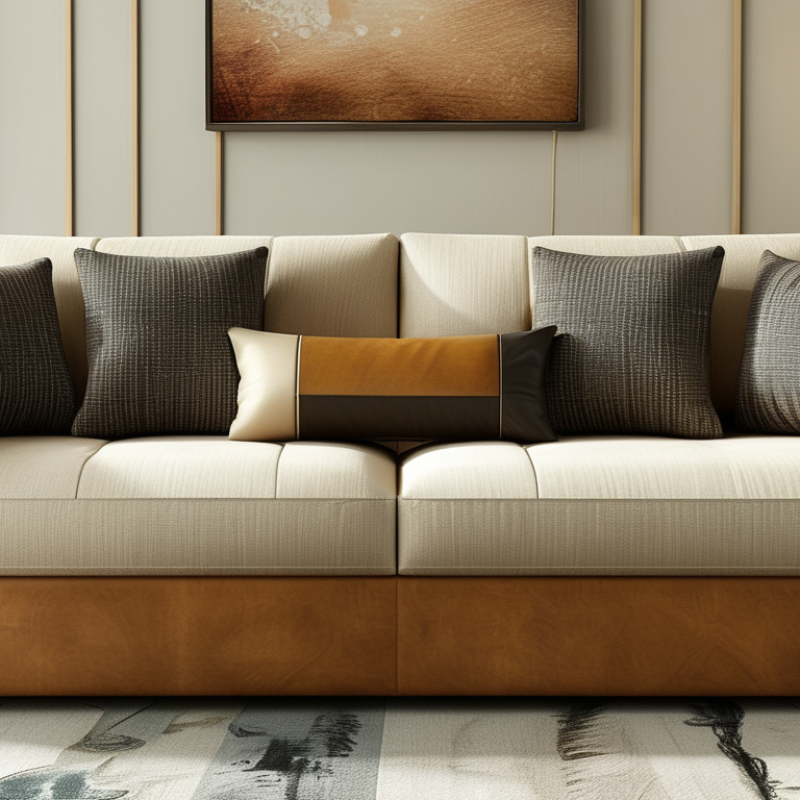
Average Lifespan of a Modern Sofa Tips for Buyers?

Understanding the Average Lifespan of a Modern Sofa

The average lifespan of a modern sofa can range significantly, depending on various factors such as materials and construction quality. According to industry reports, well-made sofas can last anywhere from 7 to 15 years. Sofas made from higher-quality materials, like hardwood frames and durable upholstery, tend to have a longer lifespan. On the other hand, cheaper options may wear out much sooner.

Regular usage can impact a sofa's longevity. The American Home Furnishings Alliance indicates that family activity, such as children and pets, often accelerates wear and tear. Everyday factors like spills, stains, and even sunlight can diminish a sofa's appearance and comfort over time. It’s essential for buyers to consider their lifestyle when selecting a sofa.

Not all sofas are created equal, and sometimes, it’s hard to gauge quality just by looking. Consider testing a sofa in-store. Sit, push, and pull on it to assess its sturdiness. Although price may indicate quality, it isn’t a foolproof guide. Reflect on the balance between what you’re willing to spend and what you expect in terms of durability. Understanding these nuances can greatly enhance your buying experience.

Factors Affecting the Lifespan of Sofas

When considering the lifespan of a modern sofa, various factors come into play. Quality of materials significantly influences durability. Sofas made with high-density foam and solid wood frames generally last longer than those with lower-quality components. Leather, while visually appealing, can show wear over time. Fabric options might stain easily or fade.

Another key aspect is usage. A sofa in a busy family room faces more wear than one in a guest room. Children, pets, and everyday life impact the sofa's integrity. Regular maintenance is important too. Vacuuming and cleaning spills promptly helps preserve its appearance. Overlooked areas can become breeding grounds for dust and dirt, which shortens lifespan.

Lastly, an often neglected factor is design. Sofas with clean lines and timeless aesthetics may remain appealing longer. Meanwhile, trendy designs can feel outdated quickly. Choosing wisely, based on both style and function, can lead to a better investment. Reflecting on these elements can lead to more informed decisions when selecting your next sofa.

Tips for Choosing a Durable Sofa

Choosing a durable sofa requires careful consideration. Look closely at the frame. Solid wood frames are more reliable than particle board. Check the joinery too. Dovetail joints are strong and long-lasting. The quality of materials plays a big role in durability.

Fabric choice affects both longevity and maintenance. Leather can be durable but may show wear over time. Upholstered fabrics should be stain-resistant and easy to clean. Consider examining the foam density in cushions. High-density foam holds its shape better and lasts longer.

Think about the style that suits your lifestyle. Some designs may not withstand heavy use. Sofas with tight backs and skirts are often more resilient. Always test the comfort before purchasing. Sit down, lounge, and see how it feels. This reflection can save future regrets and disappointments.

Maintenance Practices to Extend Sofa Lifespan

To extend the lifespan of your modern sofa, regular maintenance is crucial. Dust and dirt can accumulate quickly, slowly degrading materials. Use a soft brush or vacuum with a suitable attachment to keep the surface clean. Regularly remove cushions and clean any hidden spots. This will prevent dust from becoming a long-term issue.

Check for stains immediately. Blot spills with a clean cloth to prevent permanent marks. Always approach stains with gentle techniques. Sometimes, less is more. Over-scrubbing can ruin upholstery. If you're unsure about cleaning methods, consult a professional. It's better to seek help than to risk damage.

Consider the placement of your sofa as well. Direct sunlight and heat sources can fade fabrics. Rotating cushions and using throws can help protect high-use areas. Understand your lifestyle. If you have pets or children, extra precautions may be necessary. Investing time in these practices pays off in the long run.

Signs It’s Time to Replace Your Sofa

When it comes to identifying when to replace your sofa, there are key signs to look for. A noticeable sag in the cushions indicates wear. If you find yourself rearranging cushions for comfort, it's time for an upgrade. Stains that won't come out can also signal the end of your sofa's lifespan.

Comfort is crucial. If your sofa feels less inviting and you dread sitting down, consider new options. A sofa should feel supportive and cozy. Faded fabric or visible damage detracts from your living space.

Here are some tips for buyers. Think about your lifestyle needs. Choose durable materials that can withstand everyday use. Don’t ignore the size that fits well in your space. Ponder colors and patterns that match your decor. Investing in quality furniture often pays off in the long run.

Average Lifespan of a Modern Sofa Tips for Buyers - Signs It’s Time to Replace Your Sofa

Sofa Type Average Lifespan (Years) Signs It Needs Replacement
Leather Sofa 15-25 Cracks, fading, sagging cushions
Fabric Sofa 7-15 Stains, tears, discomfort
Sectional Sofa 10-15 Uneven seating, loose frames, visible wear
Recliner Sofa 10-20 Malfunctioning reclining mechanism, fabric wear
Futon Sofa 5-10 Discomfort when sitting, broken frame

FAQS

: What is the average lifespan of a modern sofa?

: A modern sofa typically lasts between 7 to 15 years, depending on materials and construction quality.

What affects a sofa's longevity?

Regular usage, family activity, and factors like spills and sunlight can accelerate wear and tear.

How can I assess a sofa's quality?

Test a sofa by sitting, pushing, and pulling to check its sturdiness. Don't rely solely on price.

What signs indicate I need a new sofa?

Noticeable sagging, unremovable stains, and lack of comfort are clear signs it's time for an upgrade.

How important is comfort when choosing a sofa?

Comfort is crucial. If a sofa feels uninviting, it may be time to explore new options.

Should I consider my lifestyle when buying a sofa?

Yes, consider your needs. Durable materials can withstand daily wear from kids or pets.

What should I think about regarding sofa size?

Choose a size that fits your space well. A sofa that is too large or small can disrupt your room's flow.

Are specific colors and patterns important for a sofa?

Yes, select colors and patterns that match your decor. This can enhance your living space's overall look.

Is it better to invest in quality furniture?

Investing in quality furniture often pays off in the long run. It tends to last longer and provide more comfort.

How can everyday factors affect a sofa?

Spills and damage can worsen with time. Even sunlight can fade the fabric, impacting appearance and comfort.

Conclusion

When considering the question, "What is the average lifespan of a modern sofa," it is essential to recognize that this can vary significantly based on several factors. Generally, modern sofas can last anywhere from 7 to 15 years, depending on the materials used, the construction quality, and how frequently the sofa is utilized. Factors such as the type of upholstery, frame durability, and overall design play a crucial role in determining how long a sofa will remain functional and comfortable.

To choose a durable sofa, buyers should prioritize high-quality materials and craftsmanship. Regular maintenance practices, such as cleaning and protecting fabrics, can also extend the lifespan of any sofa. It's crucial to be aware of signs indicating that it might be time for a replacement, including sagging cushions, persistent odors, or visible damage. By understanding these aspects, consumers can make informed decisions and enhance their investment in a modern sofa.

Oliver

Oliver

Oliver is a seasoned marketing professional with a wealth of expertise in driving brand awareness and engagement. With a deep understanding of our company's product offerings, he consistently delivers high-quality content that enriches our professional blog. His insights not only shed light on......