Forton Furniture
As the global market for kitchen furniture evolves, understanding "What are the standard heights for kitchen counter stools" is essential for buyers. Professionals in the design industry, like Laura Smith, a leading furniture designer, state, "Choosing the right height can significantly enhance comfort and functionality." The typical height for kitchen counter stools ranges from 24 to 26 inches for standard counters, which are about 36 inches high.
According to a recent industry report by the National Kitchen and Bath Association (NKBA), nearly 60% of homeowners prioritize comfort when selecting stools. This trend reflects a growing public interest in not just aesthetics but also practicality in kitchen design. However, many buyers overlook critical measurements, leading to mismatched heights and discomfort.
Moreover, lesser-known details can impact choices. For example, a 30-inch bar counter requires stools with seat heights of 28 to 30 inches. Keeping these figures in mind can help you avoid frustration. In a market filled with options, taking a moment to consider the ergonomic aspects might save buyers future regret.
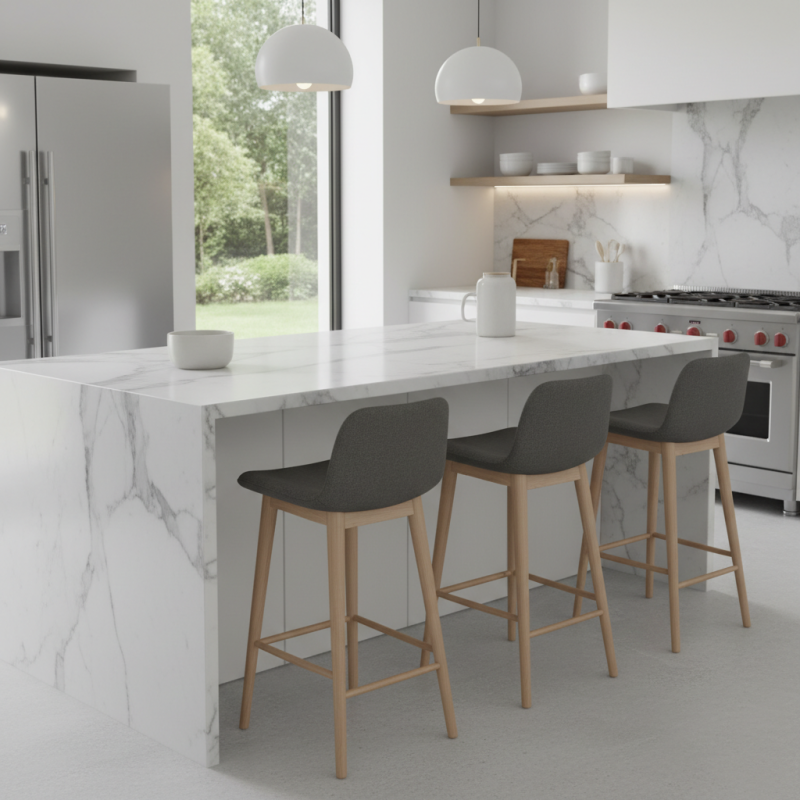
When selecting kitchen counter stools, height is a crucial factor. The standard counter height ranges from 34 to 36 inches. Stools that suit this height typically measure between 24 and 26 inches from the ground. This range allows for comfortable seating without straining your legs or back.
Pay attention to your space. If your kitchen has an island or counter, measure its height carefully. Consider the overall design. A low stool can create a casual vibe, while a taller one may add elegance. However, achieving the perfect balance can be challenging. Not every stool suits every counter.
Also, buyers often overlook seat width and backrest design. Wider seats can offer more comfort. A contoured backrest may support better posture. Testing different styles in person can lead to surprising discoveries. Take your time with this choice; it can transform your kitchen experience.
When selecting the ideal kitchen counter stool height, several factors come into play. First, the counter height significantly impacts stool selection. Standard kitchen counters typically range from 34 to 36 inches in height. Stools need to fit comfortably under such counters. A common guideline is to allow 10 to 12 inches of space between the seat and the counter surface. This ensures comfort for users while providing adequate legroom.
Additionally, the type of kitchen design influences stool height decisions. Open-concept kitchens may require taller stools to match an island's elevation. Conversely, smaller spaces might benefit from a lower profile design. The overall aesthetic of the kitchen matters, too. A modern kitchen with sleek lines may favor minimalist stools, whereas a rustic kitchen might look better with a chunkier design. It’s crucial to test different stool heights before making a purchase.
Lastly, considering who will use the stools is essential. Families with young children might need lower stools that are easy to get in and out of. On the other hand, taller people might prefer raised stools for comfort. Reflecting on the intended use can guide you towards the right choice.
When choosing counter stools, understanding global counter heights is essential. Different countries have varying standards for counter heights, which influences the stool options available. In most countries, standard kitchen counter heights typically range from 34 to 36 inches. This height accommodates various activities, from cooking to eating.
In Europe, counters are often around 36 inches. Meanwhile, many Asian countries prefer slightly lower counters, typically around 30 to 32 inches. This difference reflects cultural preferences in cooking and dining. It's vital to consider these variances when purchasing stools internationally.
Tip: Always measure your counter height before selecting stools. This ensures a comfortable fit. Consider how you plan to use your kitchen space. Whether for casual dining or entertaining, choose a stool that complements your style and comfort.
Fitting into the global standards can be tricky. Some regions prefer taller seating for pantries, while others opt for lower seating in family kitchens. Be mindful of your space and user needs. Balancing style and practicality is crucial. Make choices that adapt to your lifestyle, while reflecting personal tastes.
Choosing the right height for kitchen counter stools is crucial for both comfort and functionality. The ideal stool height often depends on the height of your kitchen counter. Standard counter heights typically range from 34 to 36 inches. In such cases, a stool height between 24 to 26 inches is usually appropriate. For island or bar counters, which are commonly 40 to 42 inches high, choose stools that are 28 to 32 inches tall.
When selecting stools, consider the space available. Ensure there’s ample room for leg movement. An uncomfortable fit can detract from the kitchen experience. A common error is choosing stools that are too tall or short, leading to awkward sitting positions. This can affect posture and overall comfort during meals or gatherings.
**Tips:** Measure your counter height before purchasing stools. Allow for about 10 to 12 inches between the seat and the counter. If your kitchen is frequently used, opt for durable materials that can withstand daily wear and tear. Remember, style and design matter, but comfort should never be compromised.
When selecting kitchen counter stools, style and material play crucial roles. A report from the National Kitchen and Bath Association stresses that modern designs should fit seamlessly into various kitchen aesthetics. Choosing the right finish can elevate the ambiance, creating a cohesive look. For instance, metal frames add an industrial touch, while wooden designs reflect warmth.
Comfort is another essential factor. Upholstered stools typically provide added comfort, which is vital for long gatherings. According to recent surveys, around 65% of homeowners prefer upholstered seats for a cozy feel. Tips for choosing fabric include considering durability and ease of cleaning. Leather and synthetic materials can withstand spills better than traditional fabrics.
Height is another consideration. Standard counter stools typically range from 24 to 26 inches. This height is optimal for most kitchen counters, which are generally around 36 inches high. It’s crucial to measure your space before making a purchase. Consideration of variations in stool legs can impact overall stability. Balancing aesthetic appeal with practicality can be challenging but rewarding. Make informed choices by reflecting on both your style preferences and functional needs.
: The standard kitchen counter height ranges from 34 to 36 inches.
Stools should be between 24 and 26 inches for standard counters.
Measure the counter height first, then choose stools that fit comfortably below it.
Wider seats can provide more comfort and better support during meals.
Incorrect height may lead to discomfort and poor posture while seated.
European counters are often 36 inches, while many Asian countries prefer 30 to 32 inches.
Yes, a contoured backrest can improve posture and overall comfort.
Balance your personal style with practicality and space in your kitchen.
Allow for about 10 to 12 inches between the seat and counter surface.
Many people buy stools that are too tall or short for their counter.
In the quest to enhance kitchen aesthetics and functionality, it’s essential to understand kitchen counter stool heights. This comprehensive guide delves into the factors that influence ideal stool height, emphasizing how different kitchen designs call for varying measurements. Additionally, it covers global standards, addressing what are the standard heights for kitchen counter stools across various countries, which typically range between 24 to 30 inches.
Choosing the right stool height is crucial for ensuring comfort and usability, while styles and materials play a significant role in complementing kitchen décor. By considering these elements, buyers can select stools that not only meet height standards but also enhance their kitchen's overall design and user experience.
