Forton Furniture Forton Furniture

10 Best Tips to Identify Solid Wood vs Veneer Table?

Time:2026-08-10 Author:Sienna
0%

When purchasing a table, understanding how to tell if a wooden table is solid wood or veneer is crucial. Many consumers face this dilemma, often uncertain about the material quality. Solid wood offers durability and timelessness, while veneer might appeal for its affordability. However, distinguishing between them isn't always straightforward.

Look closely at the table's edge and surface. Solid wood exhibits grain patterns that run continuously, while veneer has a thin layer over less expensive material. Tapping on the surface can also help; solid wood produces a heavier sound compared to the lighter tone of veneer. Pay attention to construction details as well. A solid wood table rarely has visible joints, while veneered furniture might show seams.

Exploring these tips can enhance your knowledge and confidence when choosing a table. Understanding the differences not only helps in making a sound investment but also in appreciating the craftsmanship involved. It’s important to remember that while veneer can look appealing, solid wood generally provides better longevity and value.
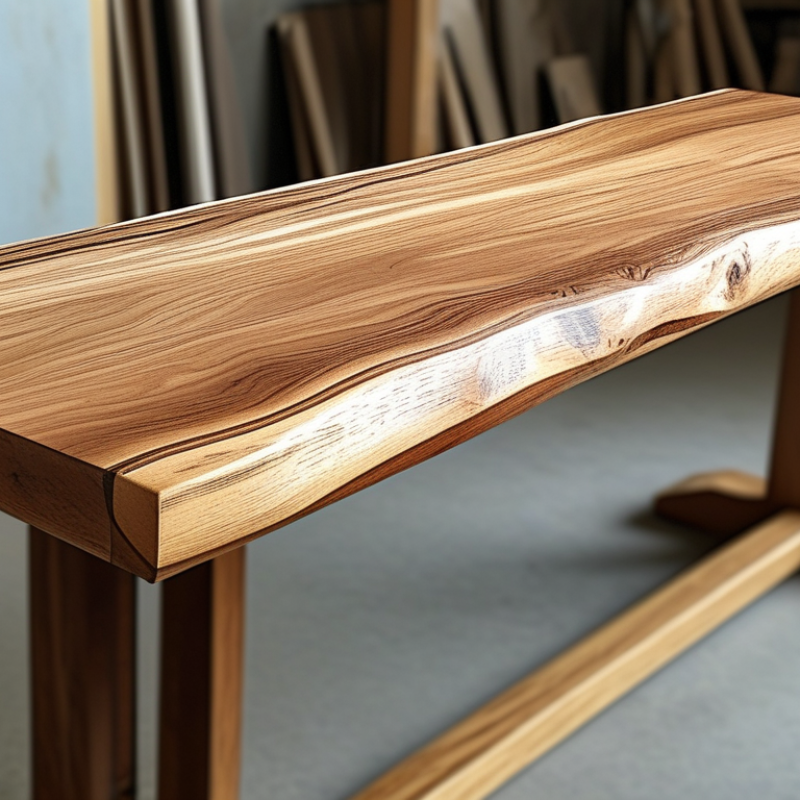
10 Best Tips to Identify Solid Wood vs Veneer Table?

Understanding the Basics: What is Solid Wood and Veneer?

To understand the difference between solid wood and veneer, it's essential to know what each term means. Solid wood comes from a single piece of lumber. It retains its natural structure and grain, showcasing the beauty of the wood. Every piece is unique, with its own knots and markings. This type of wood is durable and can last for generations if cared for properly.

Veneer, on the other hand, consists of thin slices of solid wood glued onto a core of less expensive material. This allows manufacturers to create a wood-like appearance at a lower cost. While veneer can mimic the look of solid wood, it lacks the same durability. It can be more prone to damage and may require more careful handling. The distinction often lies in the feel and weight of the pieces. Solid wood feels heavier and sturdier than veneer.

Consider checking the edges of furniture. If you see layers, it is likely veneer. Solid wood typically shows natural grain patterns throughout. Examine any scratches closely. If they are deep and the underlying layer is different, it is veneer. Understanding these basics can greatly influence your buying decisions. It is worth taking the time to differentiate between the two.

Comparison of Solid Wood vs Veneer Tables

This chart compares the qualities of solid wood and veneer tables across five criteria: Durability, Cost, Maintenance, Aesthetics, and Weight. Solid wood generally scores higher in durability and aesthetics, while veneer is often more cost-effective and lighter.

Key Physical Characteristics of Solid Wood and Veneer Tables

When distinguishing between solid wood and veneer tables, it's essential to focus on their physical attributes. Solid wood is made from a single piece of timber. It usually feels warmer and denser. Veneer, on the other hand, consists of thin layers of wood glued onto a core material, which can feel lighter and less sturdy.

One way to identify solid wood is by examining the grain. Natural imperfections, such as knots and variations, indicate authenticity. Solid wood showcases unique patterns, while veneer often displays repetitive designs. Tapping on the table can reveal sound differences; solid wood has a deeper, resonant tone compared to the hollow sound of veneered surfaces. Additionally, check the edges. Solid wood edges show visible grain continuity, contrasting with the abrupt seams of veneer.

It’s also worth considering the weight. Solid wood tables are typically heavier, which can be a sign of quality. However, this isn't a foolproof method. Some high-density veneers can also feel substantial. Inspecting the underside of the table can offer more insights; solid wood will usually confirm its identity plainly, while veneer may conceal its core material. By focusing on these characteristics, you can confidently identify the type of table you are dealing with.

Visual Indicators: How to Spot the Differences Between Them

When distinguishing between solid wood and veneer tables, visual indicators play a crucial role. One key feature to examine is the edges. Solid wood typically shows a rougher, natural edge. In contrast, veneer often has a smooth, finished edge that hides the particle board underneath. Look closely for grain patterns; solid wood has unique, varied patterns, while veneer usually replicates these patterns, leading to a more uniform appearance.

Another important aspect is the weight. Solid wood tables tend to be heavier, offering sturdiness. On the other hand, veneer tables are lighter, often due to a core material like MDF. Checking for peel or delamination can also reveal the type. Veneer can show signs of peeling at the edges. Scratches can provide insights too. Solid wood dents and scratches can be refinished, while veneer may suffer irreversible damage.

The Sound Test: Evaluating the Acoustics of Wood Surfaces

The sound test is an often-overlooked method to differentiate solid wood from veneer. When you tap on the surface with your fingers, listen closely to the acoustics it produces. Solid wood tends to have a warmer, richer tone. It resonates with depth, indicating its authenticity. On the other hand, veneer will typically produce a thinner sound, reflecting its layered construction.

Inspecting the sound isn’t just about the tone; it’s about understanding the material’s integrity. Solid wood absorbs sound waves, creating a muted response when tapped. Veneer, being a thin layer, often vibrates in a way that feels more hollow. This distinction can guide your purchase, especially in a world filled with imitations.

Listen to both surfaces in similar environments. You might notice that the same tap on solid wood feels alive. It offers a comforting thud. A veneer table might feel like a distant echo. Both materials can look exquisite, but their acoustics reveal hidden truths. Reflect on this sound test when choosing your next table.

Long-term Durability: Comparing the Lifespan of Solid Wood vs Veneer

When comparing solid wood and veneer tables, one key factor is durability. Solid wood is often hailed for its strength. It can withstand wear and tear better than veneer. Over time, solid wood can develop a beautiful patina, adding character to a piece. Although it might be pricey upfront, it tends to last for generations. Many people appreciate this long-term value.

Veneer, on the other hand, offers a more budget-friendly alternative. It consists of thin slices of wood glued onto a core. While it looks attractive, it may not stand up to heavy use. Veneer tables can chip or peel more easily. Repairing veneer can also be tricky. Sometimes, it may require complete replacement. This short lifespan can be a major drawback for consumers who want furniture to last.

To make an informed choice, consider your lifestyle. If you have a busy household, solid wood might suit you better. In contrast, veneer could work well in a less demanding environment. Understanding the differences in durability can help guide your decision. Think about how long you want your table to last. This reflection can lead to a satisfying purchase.

10 Best Tips to Identify Solid Wood vs Veneer Table

Criteria Solid Wood Veneer
Durability High durability, can last for generations Less durable, may chip or peel over time
Cost Typically more expensive Generally more affordable
Maintenance Requires regular polishing and care Easier to clean, but less resistant to damage
Aesthetics Rich, natural grain and beauty Variety of finishes, can mimic solid wood
Repairability Can be sanded and refinished Difficult to repair if damaged
Sustainability Sourced sustainably, longer life cycle Often made from lower-quality wood
Weight Heavier due to solid construction Lighter, easier to move
Moisture Resistance More susceptible to warping in humidity Less affected, but can delaminate
Finish Options Natural oils, varnishes Variety of synthetic finishes available
Environmental Impact Can be harvested responsibly Often made from composite materials

FAQS

: What are the main physical differences between solid wood and veneer tables?

: Solid wood is made from one piece of timber, while veneer consists of thin layers glued onto a core.

How can I identify solid wood?

Check for natural imperfections in the grain, which indicate authenticity. Solid wood has unique patterns.

What sound does solid wood make compared to veneer?

Tapping solid wood produces a deep, resonant tone. Veneer sounds hollow.

Are solid wood tables heavier than veneer tables?

Yes, solid wood tables are generally heavier, indicating quality. However, some veneers can feel heavy too.

How does the durability of solid wood compare to veneer?

Solid wood is more durable and can last generations. Veneer tends to chip or peel more easily.

Can veneer be easily repaired if damaged?

Repairing veneer can be tricky. Sometimes, it may require a complete replacement, which is a hassle.

Which type of table is better for a busy household?

Solid wood is often better for busy homes due to its strength and longevity.

Is veneer a good choice for less demanding environments?

Yes, veneer can work well in less busy settings where heavy use isn’t a concern.

Why should I consider my lifestyle when choosing a table?

Reflecting on your lifestyle helps ensure you pick a table that meets your durability and usage needs.

What should I think about regarding the long-term value of furniture?

Consider how long you want your table to last, as solid wood offers more value over time.

Conclusion

When trying to determine how to tell if a wooden table is solid wood or veneer, it's essential to grasp the fundamental differences between the two. Solid wood is hewn from a single piece of timber, while veneer consists of thin slices of wood glued onto a core material. Understanding these basics can help in identifying the table's construction.

Key physical characteristics also play a crucial role in differentiation. Solid wood tables tend to be heavier and exhibit natural variations in grain, whereas veneer surfaces may display a more uniform pattern. Visual indicators, such as examining the edges for layers or the presence of a solid wood grain pattern, are effective methods. Additionally, performing a sound test can provide clues; solid wood produces a deeper sound when tapped. Lastly, considering the long-term durability, solid wood typically outlasts veneer, making it a more robust choice for furniture enthusiasts.

Sienna

Sienna

Sienna is a skilled marketing professional with a deep expertise in our company’s core products and services. With a passion for innovation and detail, she plays a pivotal role in crafting insightful blog posts that not only highlight the unique features of our offerings but also provide valuable......