Securing heavy cabinets to the wall for safety is a crucial task for any household. Many people overlook this essential step, resulting in accidents or injuries. When cabinets are not anchored properly, they can tip over, especially in homes with children or pets. This guide will explore ten effective methods to ensure your cabinets stay securely in place.
Understanding how to secure heavy cabinets to the wall for safety is not only about preventing accidents but also about enhancing overall stability. Each method we cover is designed to provide a reliable solution tailored for different cabinet types and wall materials. We'll delve into practical tips, such as using brackets, straps, and wall anchors, along with specific installation techniques.
The importance of proper anchoring cannot be overstated. A slight oversight can lead to severe consequences. It’s essential to assess your cabinets and identify the best techniques for your specific setup. As you read through these options, you may notice areas for reflection. Are your current methods sufficient? Are there hidden dangers lurking in your kitchen or storage areas? Addressing these questions will help you create a safer environment for your family.
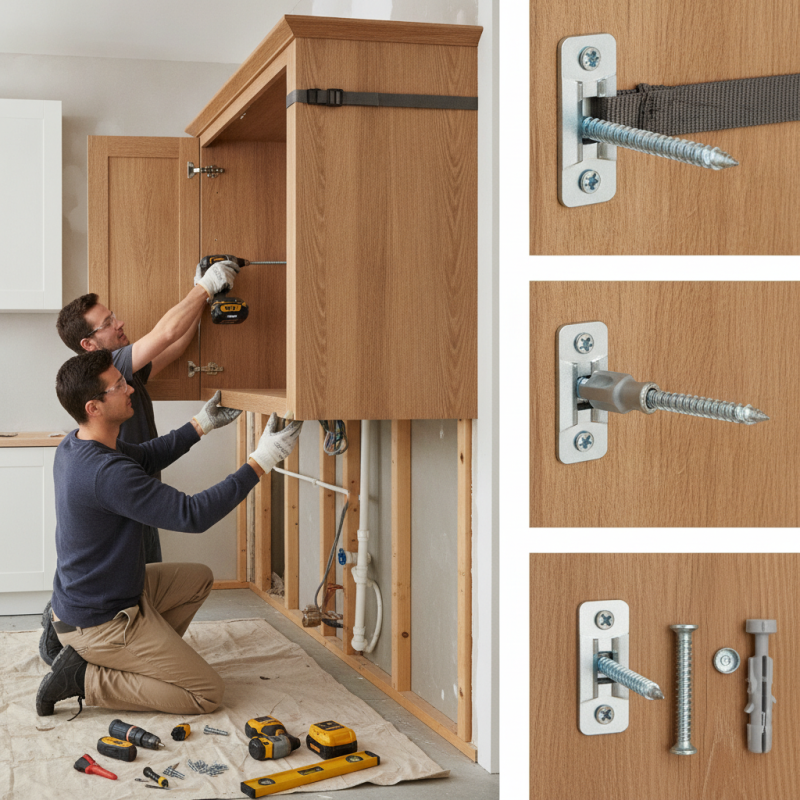
Understanding the Importance of Securing Heavy Cabinets for Safety
Heavy cabinets pose significant safety risks, especially in homes with children or elderly residents. According to the Consumer Product Safety Commission (CPSC), over 22,000 injuries related to furniture tip-over incidents occur annually. The importance of securing heavy cabinets cannot be overstated. Properly anchoring them reduces the risk of accidents and creates a safer living environment.
An effective strategy is using wall anchoring kits. These kits are often straightforward, involving brackets and screws. They hold cabinets firmly against the wall, preventing them from tipping over. In a 2019 study by the American Society of Home Inspectors, homes without properly anchored furniture experienced a 70% higher rate of furniture-related injuries. This statistic highlights the critical need for homeowners to take proactive steps in securing heavy cabinets.
Despite the clear benefits, many homeowners overlook this safety measure. Some believe their cabinets are stable enough without anchoring. Others may lack the confidence to install anchoring systems themselves. However, even seemingly secure cabinets can tip during an earthquake or when children climb on them. Regular assessment of furniture stability can improve safety, reminding us of the importance of vigilance in our homes.
Selecting the Right Anchoring Devices for Heavy Cabinets
When securing heavy cabinets, choosing the right anchoring devices is crucial for child safety and stability. Many options exist, yet not all are suitable for your specific needs. Prioritize wall anchors, screws, and brackets designed for heavy loads. They must hold substantial weight without bending or breaking.
Selecting the right material makes a significant difference. Use metal brackets for enhanced strength. Plastic or wooden options may not bear the weight, leading to potential accidents. Check the load capacity labels on devices. Often, exceeding these limits results in failure.
Consider wall type too. Drywall anchors work well in light materials but might not suffice in brick or concrete. For best results, use toggle bolts in drywall and specialized anchors in masonry. Remember, miscalculating your cabinet's weight can lead to instability. Regularly assess your anchoring devices for wear or damage.
Step-by-Step Guide to Mounting Cabinets to the Wall
Mounting cabinets to the wall is crucial for safety, especially in homes with children. Statistics show that over 30,000 injuries linked to tipping furniture occur annually in the U.S. alone. Proper installation can mitigate these risks significantly. Follow these step-by-step guidelines for secure and safe cabinet mounting.
First, locate the wall studs. Use a stud finder to ensure you are mounting your cabinets on sturdy supports. This step is vital, as cabinets mounted solely to drywall are prone to tipping. Use heavy-duty brackets or toggle bolts for added support when studs are not available. Remember, a cabinet's weight can exceed 200 pounds. Install screws that penetrate at least 1.5 inches into the stud for a secure hold.
When securing cabinets, always use level tools. A cabinet that is not level can create imbalance and lead to tipping. Secure the cabinets using multiple screws. Reinforce corners with additional brackets for higher stability. Regularly inspect your mounted cabinets. Over time, wear might weaken the connections.
Tips: Keep your home clutter-free. Avoid overloading cabinets. Always store heavier items on lower shelves to maintain balance. This simple practice can prevent potential accidents. Remember, safety is paramount; routinely check the integrity of your installations. Prioritizing this can reduce risks and ensure a safer environment for all.
Best Techniques for Enhancing Stability of Freestanding Cabinets
Freestanding cabinets can tip over, causing serious accidents, especially in homes with children and pets. Ensuring their stability is crucial for safety. One effective technique is to use L-brackets. These metal braces can be secured from the back of the cabinet to the wall. They provide support and minimize the risk of tipping. Make sure the brackets are installed correctly, as improper installation could lead to failure.
Another method is using anti-tip straps. These adjustable straps connect the cabinet to the wall, creating a secure bond. They are relatively easy to install and can be hidden from view. Ensure the straps are tight enough but not overly so, as this can damage the cabinet.
It’s also important to assess the ground beneath the cabinet. If the floor is not level, consider using furniture coasters or shims to create a stable base. Ignoring this can lead to a wobbly cabinet. Sometimes, a little reflection on the cabinet's placement can reveal safer alternatives, such as anchoring it in a corner. Each method enhances stability, yet it's essential to regularly check and maintain these safety features.
Common Mistakes to Avoid When Securing Cabinets to the Wall
When securing heavy cabinets to the wall, avoiding common mistakes is crucial for safety. Many homeowners fail to use the right anchors. According to a report from the Home Safety Council, improper anchoring leads to nearly 35% of cabinet-related injuries. Using standard screws without wall anchors is a recipe for disaster. Always opt for heavy-duty wall anchors suitable for the cabinet's weight.
Another frequent error is neglecting to assess wall type. Not all walls can support heavy cabinets. For example, drywall requires specific anchors, while concrete walls need different fasteners. Many overlook this detail and end up with unstable installations. A study indicates that unanchored cabinets can tip over easily, posing a risk, especially in homes with children.
Many people also forget to distribute weight evenly on shelves. Overloading one side can lead to tipping, even if the cabinet is well anchored. The American Furniture Manufacturers Association reports that weight distribution directly affects stability. It's vital to regularly check the integrity of installed cabinets and reassess the weight they bear.
FAQS
: Securing cabinets reduces the risk of injuries, especially for children and the elderly.
Wall anchoring kits with brackets and screws effectively prevent tipping.
Regularly check the stability and conduct assessments, especially after earthquakes.
L-brackets provide support to secure cabinets against the wall, minimizing tipping risk.
No, standard screws without wall anchors can lead to instability and injuries.
Different wall types require specific fasteners to support heavy cabinets correctly.
Use furniture coasters or shims to level the cabinet on an uneven floor.
Overloading one side can lead to tipping, even with cabinets securely anchored.
Regular checks are vital to maintain safety and prevent accidents at home.
Neglecting this can cause installations to fail, increasing risk of tipping and injuries.
Conclusion
Securing heavy cabinets to the wall for safety is crucial to prevent accidents, particularly in households with children or pets. Understanding the importance of this safety measure lays the groundwork for selecting the appropriate anchoring devices that ensure stability. With a step-by-step guide, individuals can learn how to securely mount cabinets, while also exploring best techniques to enhance the stability of freestanding options.
Moreover, being aware of common mistakes to avoid when securing cabinets is essential for successful installation. By following these guidelines, homeowners can ensure their heavy cabinets are safely anchored, significantly reducing the risk of tipping and promoting a safer living environment. In summary, the article effectively addresses how to secure heavy cabinets to the wall for safety, providing practical insights and preventative measures.
 Forton Furniture
