 Forton Furniture
Forton Furniture
Forton Furniture
Choosing the right TV stand is crucial for enhancing your entertainment experience. Industry reports indicate that nearly 70% of consumers overlook this essential aspect. A well-matched stand not only boosts aesthetics but also improves viewing comfort. According to renowned interior designer Mark Thompson, "Finding how to choose a TV stand that matches your screen size can transform your living space."
The ideal stand should support the screen's height and width efficiently. An incorrectly sized stand can lead to discomfort and viewing issues. Surveys show that 60% of people regretted their stand choice due to size mismatches. Choosing a TV stand should be more than just aesthetics. It is about creating a functional space that feels right.
Pay attention to specific dimensions. For example, stands should be at eye level with your seated position. This maximizes comfort and enhances the viewing experience. In the evolving market, new styles emerge frequently, causing confusion. It’s essential to reflect on personal needs and preferences to select the perfect match.
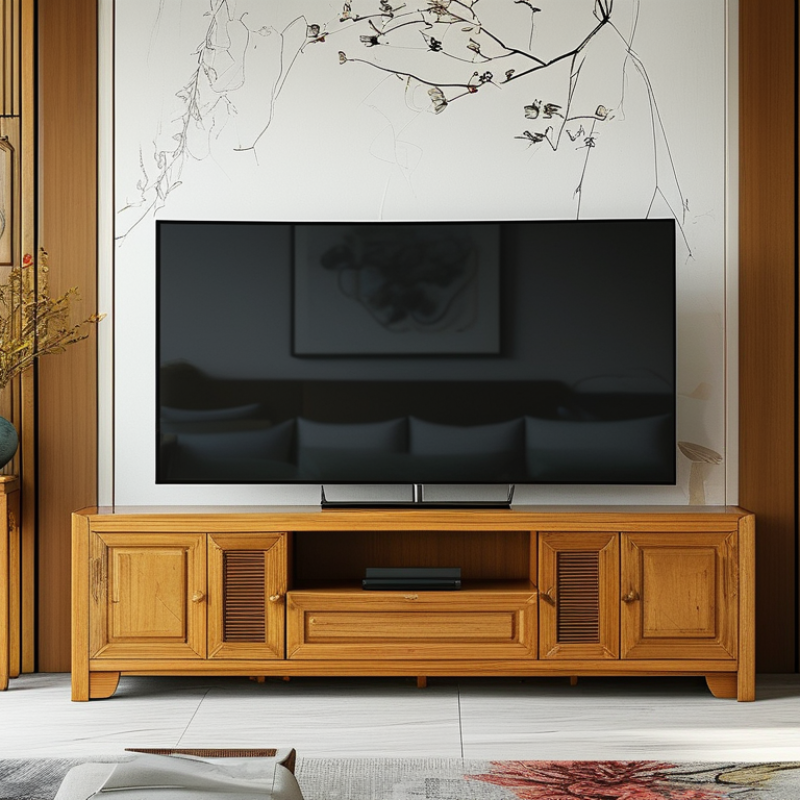
Understanding screen size is vital for selecting the right TV stand. TV measurements are typically expressed in inches, representing the diagonal length of the screen. A clear understanding of this metric can help you choose a stand that not only fits your TV but also complements your living space.
Consider the viewing distance too. A basic rule is to sit about 1.5 to 2.5 times the screen size away from the TV. If your screen is 50 inches, aim for a viewing distance between 6.5 to 10.5 feet. Measuring your room beforehand can save headaches later. The height of the stand also matters. It should align with your eye level when seated, ensuring comfort during viewing.
Not all stands are universally compatible. Some designs may not accommodate larger screens or may obstruct airflow. Carefully review the weight limit and dimensions before buying. It's easy to overlook these details and end up with an incompatible piece of furniture. Reflect on the aesthetic as well—is it modern or traditional? This choice shapes the room’s vibe.
: TV size is measured diagonally in inches from one corner of the screen to the opposite corner.
Aim to sit 1.5 to 2.5 times the screen size away. For a 50-inch screen, that’s 6.5 to 10.5 feet.
The stand height should match your eye level when seated, ensuring a comfortable viewing experience.
No, some stands may not support larger screens or specific designs. Always check weight limits and dimensions.
A large TV in a small room can overwhelm. Measure your space for a balanced, comfortable setup.
A height of 42 to 48 inches is generally recommended for most viewers while seated.
Yes, your seating habits matter. If you often lie down, ensure the TV is still visible from there.
Furniture affects aesthetics and comfort. Thoughtful placement can create a more enjoyable living space.
Incorrect height can cause neck strain. Nearly 45% of people experience discomfort from poorly positioned TVs.
If your seating varies, an adjustable stand may provide flexibility for comfort in different positions.
When considering how to choose a TV stand that matches your screen size, it's essential to understand the basics of TV measurements. The screen size, typically measured diagonally, plays a crucial role in selecting a stand that will provide an optimal viewing experience. Additionally, matching your TV size with room dimensions ensures that you achieve the right balance in your space, making your entertainment area both functional and aesthetically pleasing.
Selecting the appropriate height for your TV stand is vital for comfort and accessibility, allowing viewers to enjoy their shows without straining their necks. Furthermore, you must consider the weight and support of the stand to ensure it can safely hold your TV. Lastly, integrating design and style elements can enhance your home decor, creating a cohesive look that complements your overall interior design. By following these guidelines, you can confidently choose a TV stand that aligns perfectly with your screen size and personal style.
