Forton Furniture
Creating a minimalist bedroom can seem challenging, especially with limited furniture. Expert designer, John Smith, once said, "Less is more when it comes to bedroom design." This philosophy speaks volumes in today’s fast-paced world.
In a minimalist bedroom, every piece matters. Choosing essential furniture is crucial. Consider a simple bed frame and one nightstand. These pieces should reflect your style while maintaining functionality.
The challenge lies in balance. Embrace open space, but don’t let it feel empty. Incorporate subtle decor, like plants or artwork, to add personality. Remember, it isn’t just about reducing items. It's about mindful selection and thoughtful placement. Reflect on how each piece contributes to the room's overall calm and simplicity. This approach can guide you in learning how to create a minimalist bedroom with limited furniture.
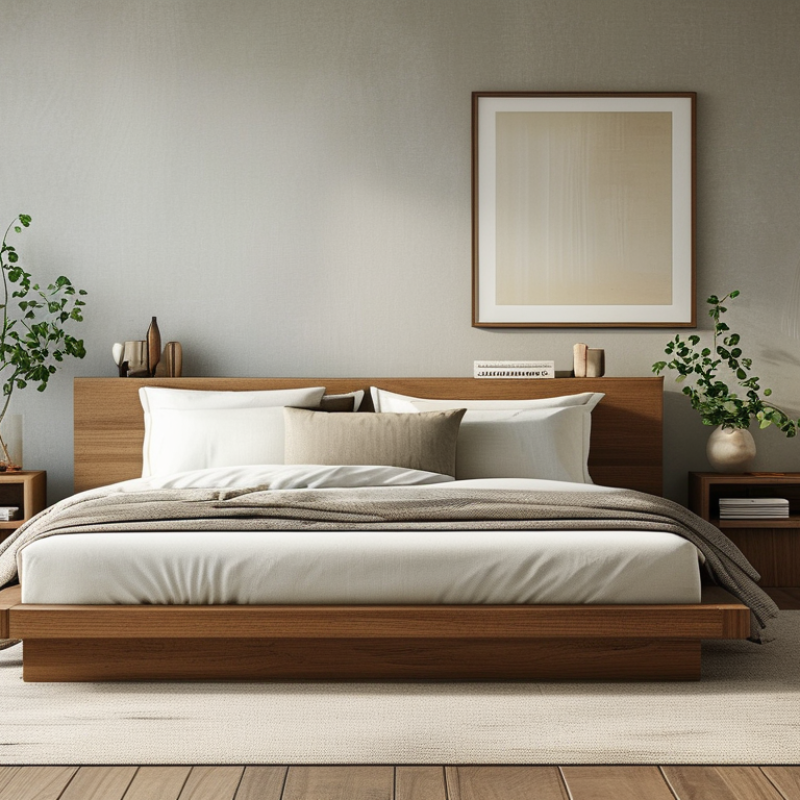
Minimalism in bedroom design emphasizes simplicity and functionality. It pushes for fewer furniture pieces, allowing essential items to take center stage. According to a recent survey by the National Sleep Foundation, 55% of individuals report that clutter disrupts their sleep. A tidy, minimalist space can contribute to a more restful environment.
Choosing a neutral color palette enhances the feeling of serenity. Soft whites, greys, and beiges calm the mind. However, over-relying on these colors can create a sterile atmosphere. Introduce texture through textiles like woven blankets or soft rugs. These add depth while maintaining a minimalist aesthetic.
Storage solutions play a pivotal role. Multifunctional furniture, such as beds with built-in drawers, helps reduce visible clutter. Yet, it is easy to become attached to unnecessary items. Challenge yourself to evaluate the function of each piece you keep. Finding the balance between aesthetics and functionality can be a struggle. Each choice should promote a sense of peace in your sanctuary.
When designing a minimalist bedroom, the choice of furniture is crucial. Focus on essential pieces that serve a purpose while maintaining an uncluttered aesthetic. A bed with a simple frame is the centerpiece. Choose neutral colors to promote tranquility. Avoid ornate designs that can distract from the overall simplicity.
Tips: Consider multifunctional furniture. A bed with storage underneath can save space. A small nightstand can hold essentials without overwhelming the layout. Less is more in a minimalist design. Only include items that spark joy or fulfill a need.
Add elements of personal style carefully. A single piece of art can enhance the room without overcrowding it. Remember to keep surfaces clear; this creates an airy feel. Reflect on what you truly need. It’s easy to accumulate furniture over time. Periodically reassess your space to maintain that minimalist vibe.
When designing a minimalist bedroom, effective storage solutions are essential. Utilizing multi-functional furniture makes a significant difference. For instance, a bed with built-in drawers can transform wasted space into useful storage. Consider selecting pieces that serve dual purposes. A bedside table can also function as a small desk.
Floating shelves are ideal for adding storage without consuming floor space. They can hold books, plants, or decorative items, keeping the area tidy. For clothing, opt for under-bed storage bins. These are discreet and help maintain a clean appearance. Embrace the idea of fewer items. Reflect on what you truly need and eliminate excess.
Reflection is key in this design journey. Sometimes, it’s challenging to let go of belongings. The process may feel uncomfortable but is ultimately rewarding. A minimalist space encourages relaxation and clarity. Assess your layout periodically to ensure it meets your needs. Creating a minimalist bedroom is not about deprivation; it's about intentionality in design.
When designing a minimalist bedroom, the use of neutral colors is crucial. Soft hues like beige, gray, and white create an airy feel. They allow light to bounce around, making the space feel larger.
Try a light gray accent wall to add depth. Complement this with white bedding and beige curtains for a cohesive look.
Textures add warmth to your minimalist design. Incorporate materials such as wool, linen, and cotton to create visual interest. A chunky knit throw on the bed can invite comfort. Use a jute rug to soften the floor. Mixing textures prevents the room from feeling flat or uninviting.
Balance is key. Aim for symmetry with your furniture arrangement. A pair of sleek nightstands can frame the bed nicely. However, it’s okay if not everything matches perfectly. An eclectic touch can add personality. Reflect on your choices. Each piece should serve a purpose. Minimalism doesn’t mean empty; it’s about intentional living.
Creating a calming ambiance in a minimalist bedroom involves thoughtful lighting and decor choices. Soft, warm lighting can transform a space. Use floor lamps with dimmers or small table lamps to create layers of light. These options allow you to adjust the brightness based on your mood. Avoid harsh overhead lights, as they can disrupt serenity.
For decor, select a few meaningful items. A piece of art or a cherished photograph can bring in personality without cluttering the room. Plants also enhance tranquility. They add a touch of nature and improve air quality. Simple, unobtrusive frames or neutral colors help maintain the minimalist aesthetic. However, be cautious not to overwhelm the space with too many accessories. Reflection on your choices is essential; sometimes less is truly more.
Textures can add depth to your bedroom. Consider different fabrics for bedding and window treatments. Soft linen or cotton curtains allow natural light while providing privacy. These elements can create warmth without excessive decoration. Remember, achieving a calming ambiance takes time and patience. Don’t rush the process. Explore what resonates with you to find the perfect balance.
: Focus on essential furniture pieces that serve a purpose and promote an uncluttered aesthetic.
Use multi-functional furniture, like beds with built-in drawers, to make the most of available space.
Opt for soft, warm lighting with floor lamps or small table lamps that allow brightness adjustment.
Select a few meaningful items, like a piece of art or a photograph, to add personality without clutter.
Different fabrics can add warmth and depth while maintaining a simple design.
Periodically assess your layout to ensure it meets your needs and maintains simplicity.
Reflecting on your choices helps to eliminate excess and encourages a calming environment.
Avoid overcrowding with too many pieces or accessories; less is often more in simplicity.
Plants enhance tranquility, add nature's touch, and improve air quality without being overwhelming.
Yes, sometimes letting go of belongings can be challenging, but it leads to a rewarding minimalist space.
In the pursuit of simplicity and tranquility, designing a minimalist bedroom with limited furniture is an art that emphasizes functionality and style. To achieve this, it is essential to understand the principles of minimalism, which prioritize a clean and clutter-free space. Selecting essential furniture pieces, such as a bed and a small bedside table, can create a cohesive look while maximizing the room's utility. Additionally, incorporating smart storage solutions helps keep the space organized without compromising on aesthetics.
Color choice also plays a critical role in achieving a serene environment. Using neutral tones and varied textures can create balance and warmth, adding to the minimalist appeal. Finally, strategic lighting and thoughtfully chosen decor contribute to a calming ambiance, culminating in a harmonious space. Thus, by following these principles, one can effectively learn how to create a minimalist bedroom with limited furniture that embodies both comfort and simplicity.
