Forton Furniture
When it comes to maximizing space in a small kitchen, efficient organization is key. Renowned organizing expert Marie Kondo once said, “The best way to find joy in your kitchen is to know where everything belongs.” This sentiment resonates deeply when considering how to organize a small kitchen cabinet efficiently.
Space can be limited in smaller kitchens, posing unique challenges. Your cabinets may overflow with cookware and utensils, making it hard to locate items. A few strategic adjustments can transform your cabinet into a well-organized system. Think of adding stackable bins or using shelf risers to create layers.
However, embracing imperfection is also essential. Not every solution will be perfect for your needs. You might discover that some items still feel cluttered or misplaced. Reflecting on what truly adds value to your kitchen experience is crucial. Ultimately, creating an efficient space takes time and consideration as you learn how to organize a small kitchen cabinet efficiently.
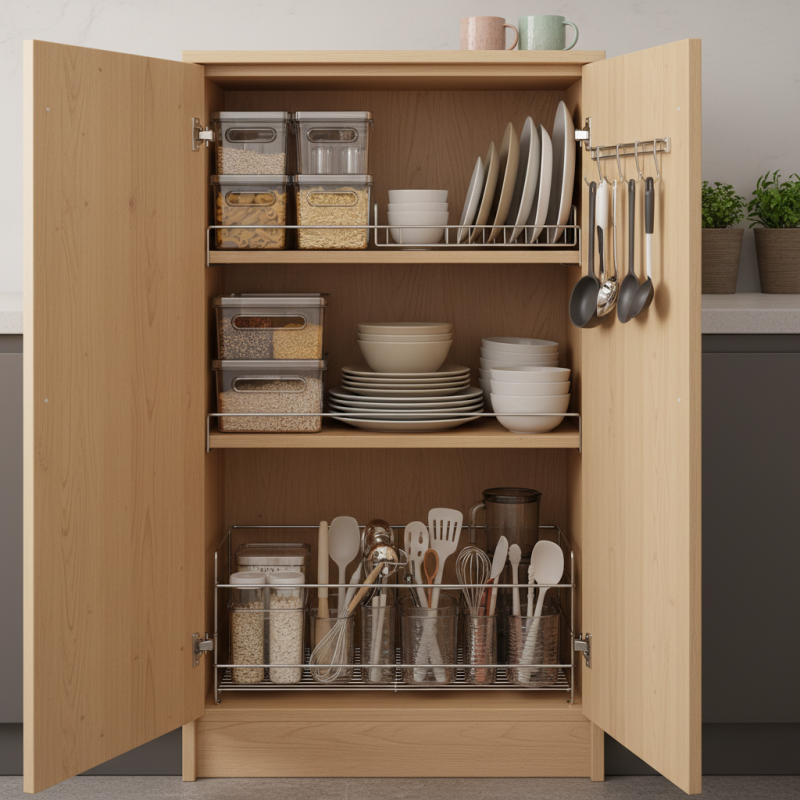
When assessing your kitchen cabinet space and needs, start with a thorough inventory. Take everything out. Look at the items you use frequently. Common items might include pots, pans, and utensils. Identify what you haven't used in months. This will help you realize what is truly necessary.
Next, measure your cabinet space. Knowing the dimensions allows for better organization. Consider using stacking containers or small bins. They can maximize vertical space. Don't forget about the doors; add hooks or small racks for tools or spices. Reflect on what works best for your routine. Is it functional? Does everything fit well?
And remember, it's okay if things aren’t perfect. You might find that some items still clash. It’s a process that requires adjustments. Regularly revisiting your space can lead to improvements. This makes sorting and organizing not just a task, but a journey to efficiency.
When organizing a small kitchen cabinet, choosing the right storage solutions is essential. Start by assessing what you need. Clear out items that you rarely use. This helps create space for essentials. Consider using stackable bins. They maximize height and keep items visible. A lazy Susan can be a game-changer. It allows for easy access to spices or condiments in the back.
Tips: Use drawer dividers to keep utensils sorted. Even small items can clutter a cabinet. A magnetic strip for knives saves counter space. Don't forget to label containers for quick identification. This can save time during meal prep.
Remember, not everything will fit perfectly. You might need to adjust as you go. Experiment with different arrangements. Reflect on what works for you. Over time, you’ll find the best way to maintain order in your small kitchen cabinet.
When organizing a small kitchen cabinet, vertical space is your best ally. Installing shelves can maximize height. Consider adding a few adjustable shelves for flexibility. You can store pots, pans, and even small appliances easily. Stackable organizers are another great option. They allow for better use of the vertical dimension without cluttering the surface.
To make the most out of stackable organizers, ensure they fit your cabinet height. Measure before purchasing. Different sizes can hold different items, so choose wisely. Using clear bins can help you see contents at a glance. But sometimes, less visible items get neglected. It’s easy to forget what you have stored away. Regularly review your organization to avoid overcrowding.
Don’t feel pressured to get it perfect. Some items may not fit neatly. That’s okay! Sometimes, creativity is needed for those odd-fitting tools. Embrace the imperfections. Find solutions that work for you, even if they're unorthodox. After all, a kitchen should be functional and reflect your cooking style.
Organizing a small kitchen cabinet can be a daunting task. Implementing
clear labels and grouping strategies is essential for maximizing space and efficiency.
Studies show that a well-organized kitchen can reduce stress by up to
30%. This statistic underscores the importance of having a systematic approach
to organization.
When you label items clearly, finding them becomes effortless. Use simple, bold titles for different categories. For example,
“Spices,” “Baking Supplies,” and “Snacks” can help you quickly identify what you need. Grouping
similar items reduces clutter. Items that you use together should be stored near each other. This not only saves time but enhances
productivity in the kitchen.
Tips: Consider using transparent bins for visibility. Labels should be easy to read.
Take time to reassess your system every few months. Reflect on what works and what doesn’t.
You may realize some items are seldom used and can be eliminated.
This practice will improve your cabinets significantly.
When it comes to keeping a small kitchen cabinet organized, regular upkeep is essential. According to the National Kitchen and Bath Association, 45% of homeowners feel overwhelmed by clutter in their kitchens. It’s no wonder that maintaining organization can seem like a daunting task. The key is to establish a routine that encourages decluttering.
One effective method is to schedule a monthly audit of your cabinet. During this time, assess what items you really use. Are some just taking up space? Perhaps it’s time to let go of those seldom-used appliances. While it's easy to hold onto these items for sentimental reasons, it’s crucial to be realistic. The more you remove, the easier it’ll be to find the things you need.
Incorporating clear storage bins can also enhance visibility and accessibility. However, even the best systems sometimes need reevaluation. Studies show that after three months, nearly 50% of organized spaces become disorganized again. Consider this a gentle nudge to stay mindful of your kitchen’s condition. Regularly revisit your organization methods, and don’t hesitate to adjust as your needs change. Keeping on top of this can save you time and enhance your cooking experience.
: Use stackable bins to utilize vertical space. A lazy Susan can help with easy access to items in the back.
Clear out rarely used items to create space for essentials. Reflect on what you truly need often.
Use drawer dividers to sort utensils. Small items can easily clutter your cabinet, so keep them organized.
Clear labels help you find items quickly. Use bold titles for categories like “Spices” or “Snacks” for easy identification.
Store similar items together. It saves time and enhances productivity when cooking.
Yes, transparent bins increase visibility and help you find items easily. It’s a practical solution for small cabinets.
Reassess your system every few months. Reflect on what works and consider eliminating seldom-used items.
Not everything will fit as expected. Be willing to adjust arrangements as you discover what works best for you.
Efficient organization of a small kitchen cabinet requires a systematic approach. First, it's essential to assess your kitchen cabinet space and identify your specific needs. This will help you determine what items you use most frequently and which storage solutions will work best. Choosing the right storage solutions, such as stackable organizers and shelving, can maximize your limited space. Additionally, utilizing vertical space allows for more items to be stored without cluttering surfaces.
To achieve optimal efficiency, it's crucial to implement clear labels and grouping strategies, making it easier to locate items quickly. Regular upkeep and decluttering are also vital for maintaining organization over time. By following these steps on how to organize a small kitchen cabinet efficiently, you can create a functional, tidy space that enhances your cooking experience while reducing stress in the kitchen.
