Forton Furniture
Cleaning a fabric sofa can be a challenging task, especially without water. Many people struggle to remove stains and odors effectively. Understanding how to clean a fabric sofa without water is crucial for maintaining its appearance and hygiene. Water can sometimes worsen stains or lead to mildew growth, which is undesirable.
Using the right methods and tools is essential for success. Stain removers, dry cleaning solvents, and specific brushes can help. It's important to read the fabric’s care label carefully. Each material requires different techniques. Many homeowners overlook the fabric type, leading to possible damage.
Utilizing techniques like vacuuming and spot-cleaning can provide significant improvement. However, you may find that some stains remain stubbornly intact. Experimenting with different approaches can be frustrating. Sometimes, achieving that fresh look may take more time and effort than expected. Yet, with patience, you can effectively clean your fabric sofa and restore its charm, all without using water.
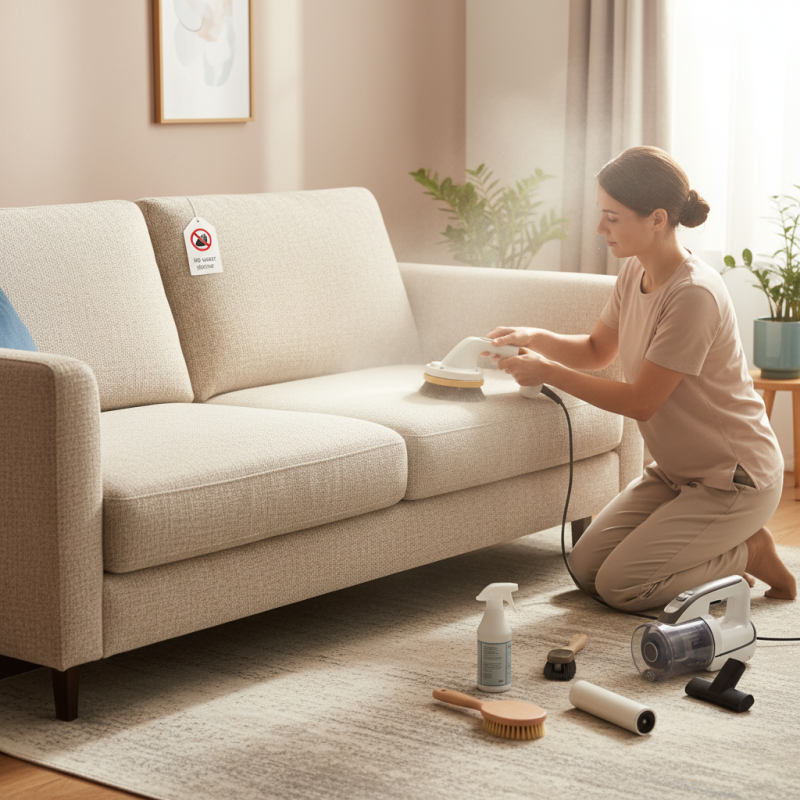
Cleaning a fabric sofa without water can be efficient if you understand the fundamentals of the process. Expert reports indicate that about 80% of stains on upholstery can be removed without using water. This technique relies on using solvent-based cleaners and dry cleaning materials that lift dirt, grease, and odors effectively. Avoiding water prevents potential fabric damage, such as shrinking or discoloration.
To begin, identify the fabric type. Different materials, like cotton, linen, or polyester, may react differently to cleaners. A study revealed that using appropriate cleaning agents specific to fabric types results in over a 70% success rate in stain removal. When applying a cleaning solution, work in small areas. Blot the stain with a clean cloth and let it air dry. Be sure to test a small, hidden area first. This step is crucial to avoid unintended damage to the sofa.
Even with these techniques, some stains may remain, leading to frustration. Persistent stains may require multiple treatments or professional intervention. Regular maintenance can help prevent deep-set stains. Vacuuming once a week removes loose dirt, which can increase the longevity of your fabric sofa. By implementing efficient cleaning practices, you can maintain your sofa’s appearance without risking water damage.
Choosing the right cleaning products and tools for fabric sofas is crucial for effective maintenance. Start with a vacuum cleaner to remove dust and debris. A handheld vacuum can reach tight spots easily. Opt for a soft brush attachment to protect the fabric. It’s essential to vacuum regularly; otherwise, grime can settle in.
Look for a gentle upholstery cleaner. Test it on a hidden area first. Some products may cause discoloration or damage. Natural solutions like baking soda can be a great alternative. Sprinkle it on the fabric, let it sit, then vacuum. This reduces odors without harsh chemicals.
Consider using microfiber cloths for spot cleaning. These are soft and won't scratch. Keep them damp, but not wet. Don't forget about brushes. A soft-bristle option can lift stains effectively. Always read labels carefully for safety. Some products are more effective than others. Being mindful of these details can make a difference.
Cleaning a fabric sofa without water can be efficient and effective. Dry cleaning methods are helpful for maintaining your furniture's appearance. Begin by removing loose debris. Use a vacuum with an upholstery attachment to gently lift dust and crumbs. Make sure to reach crevices and seams, where dirt likes to hide.
Next, create a cleaning solution. Mix a small amount of mild detergent with a solvent like rubbing alcohol. Test this mixture on an inconspicuous area first. Apply it with a clean cloth, dabbing rather than scrubbing. This prevents the fabric from becoming damaged. Rinse your cloth and remove any excess solution from the sofa.
After cleaning, let the fabric air dry. If stains remain, you may need to repeat the process. Ensure well-ventilated spaces for the drying phase. This method of dry cleaning reduces the risk of water damage. Always remember, every fabric is unique. Your sofa may require a different approach. Reflect on your sofa's fabric type and proceed with caution.
| Step | Description | Materials Needed |
|---|---|---|
| 1 | Remove loose dirt and debris using a vacuum cleaner. | Vacuum cleaner with upholstery attachment |
| 2 | Check the fabric care tag for any specific cleaning instructions. | Fabric care tag |
| 3 | Test a small hidden area with a dry cleaning solvent. | Dry cleaning solvent |
| 4 | Apply the solvent to a clean cloth and blot the stained area. | Clean cloth, dry cleaning solvent |
| 5 | Let it sit for a few minutes, then use a brush to restore the fabric texture. | Soft brush |
| 6 | Repeat if necessary until the stain is gone. | None |
Cleaning a fabric sofa without water can be a challenge, especially with stubborn stains and odors. Using the right techniques can help refresh your upholstery effectively. Here, we focus on practical tips for maintaining a clean environment.
To remove stains, consider using baking soda. Sprinkle it over the affected area and let it sit for 15 minutes. This helps absorb odors and lift light stains. Afterward, gently rub the area with a soft brush. For tougher stains, mix equal parts vinegar and dish soap. Apply this solution with a cloth, blotting the stain rather than rubbing it. This method minimizes damage to the fabric.
Odors can linger in upholstery, but there are ways to combat them. Activated charcoal is excellent for this purpose. Place a few bags of activated charcoal near the sofa to eliminate smells over time. Regular vacuuming is crucial, too. It removes dust and prevents built-up grime. Make sure to use an upholstery attachment for effective results. Remember, maintaining cleanliness takes effort, but it is worth it for a fresh and appealing living space.
Maintaining your fabric sofa is essential for its longevity. Without water cleaning, you can still achieve great results. Start by vacuuming the sofa thoroughly to remove dust and debris. Use an attachment to get into crevices. This step prevents dirt from embedding into the fibers.
Another effective method is using a fabric-safe upholstery cleaner. Test it in a hidden area first. Apply the cleaner with a soft cloth and blot the stains gently. Avoid rubbing, as it may damage the fabric. Let it air dry completely to avoid moisture issues.
Regular maintenance is key. Schedule monthly vacuuming and immediate stain treatment. This will help your sofa look fresh and last longer. Each sofa is different, so adjust your cleaning routine as needed. Occasionally assess the fabric for any signs of wear. This helps identify problems before they worsen.
: Vacuum your fabric sofa regularly. Monthly is a good routine. Immediate dirt removal prevents grime build-up.
Use a handheld vacuum with a soft brush attachment. It protects the fabric while effectively reaching tight spots.
No, always test a new cleaner on a hidden area first. Some products may cause discoloration or damage.
Baking soda works well. Sprinkle it on the fabric, let it sit, then vacuum. It reduces odors without harsh chemicals.
Use a damp microfiber cloth. Blot gently on the stain, avoiding rubbing. Let the area air dry completely afterward.
Regular vacuuming and immediate stain treatment can maintain your sofa's appearance. Monthly visits are crucial for longevity.
Cleaning a fabric sofa can be challenging, especially when trying to avoid water altogether. This article provides comprehensive guidance on how to clean a fabric sofa without water efficiently. It begins by outlining the fundamental principles of dry cleaning fabric upholstery, emphasizing the importance of selecting suitable cleaning products and tools specifically designed for this type of furniture.
The step-by-step process for dry cleaning is detailed, offering practical techniques for achieving effective results while preserving the integrity of the fabric. Additionally, readers will learn valuable tips for tackling common stains and odors, ensuring their sofas remain fresh and inviting. Finally, the article addresses the maintenance of fabric sofas for long-term durability, focusing on strategies that eliminate the need for water cleaning while keeping the upholstery in optimal condition.
