Forton Furniture
When you sit in your ergonomic chair, the last thing you want to hear is a squeak. "Why is my ergonomic chair making squeaking noises?" is a common question that plagues many people. Dr. Anna Williams, an expert in ergonomic furniture design, states, “Squeaks often signal underlying issues that can lead to discomfort.” This highlights the need for immediate attention.
Squeaking can originate from various parts of a chair. Often, it’s a result of friction between moving components. Dust can accumulate and create additional noise. Inspect the joints, casters, and gas lift. Some users overlook basic maintenance, allowing squeaks to persist. A quick fix with lubricant can make a significant difference.
It’s essential to address these noises. They not only disrupt focus but also indicate potential wear. Ignoring these sounds may lead to bigger problems down the road. Regular checks and simple maintenance can ensure a comfortable experience. Understanding these issues can enhance your workspace effectiveness and prevent distractions.
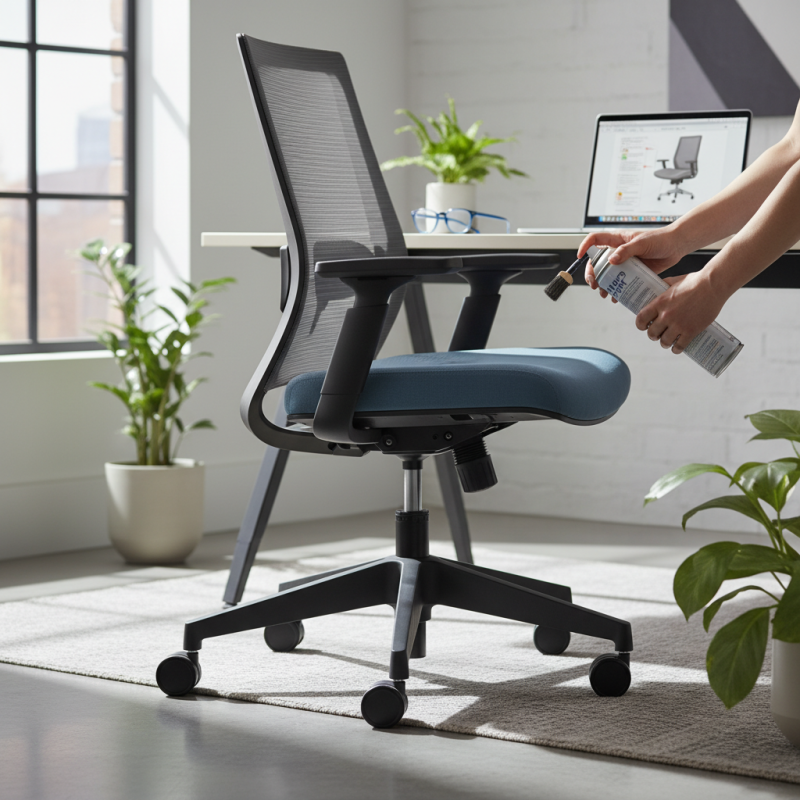
Squeaking sounds in ergonomic chairs can be quite annoying. They often signal issues that can be fixed with a bit of attention. Understanding the common causes of these noises is a step toward a quieter workspace.
One frequent reason for the squeaking is loose screws or bolts. Over time, the parts may loosen due to regular use. Check the chair’s joints and connections. Tightening these elements can reduce or eliminate the noise. Another cause might be worn-out casters or wheels. If they are damaged, they may squeak when rolling, disrupting your focus. Inspect them carefully and consider replacing them if needed.
In some cases, lack of lubrication can lead to creaky sounds. Joints and pivot points may require some grease or silicone spray. However, be cautious not to overdo it. Too much lubricant can attract dust, leading to further issues. Remember, your chair should support you, not distract you. If squeaking persists even after your efforts, it may be worth consulting a professional for advice.
Squeaking chairs can be frustrating. Identifying the noise source is crucial. Several parts may contribute to the sound. Check the wheels, armrests, and seat mechanism.
Wheels can gather dirt or debris. This can cause them to squeak as they move. Regularly clean your chair wheels to prevent buildup. Use a damp cloth to wipe them down. You might also want to add a drop of lubricant to keep them rolling smoothly.
Armrests can also be a source of noise. Loose screws or worn-out joints may allow movement, causing squeaks. Tighten any accessible screws you find. If the armrests are adjustable, check the mechanisms for wear. Adjust or replace as needed for a quieter experience.
Finally, the seat mechanism can be a hidden culprit. Frequent adjustments may wear it out, leading to squeaks. Consider inspecting this area if other fixes don’t help. Using appropriate lubricants may restore quietness. Regular maintenance can ensure long-term comfort and quiet in your ergonomic chair.
| Chair Part | Common Causes of Squeaking | Potential Solutions |
|---|---|---|
| Seat Cushion | Worn out foam or loose fabric | Reupholster or replace the cushion |
| Backrest | Loose screws or joints | Tighten screws and lubricate joints |
| Armrests | Movement due to loose fittings | Adjust and secure all fittings |
| Base and Casters | Accumulated dirt or damage | Clean casters and replace if necessary |
| Gas Lift | Wear and tear from frequent adjustment | Lubricate or inspect for replacement |
Squeaks in ergonomic chairs can be frustrating. They might indicate loose components or lack of lubrication. To resolve this issue, follow a step-by-step guide to tighten and lubricate chair parts.
Begin by checking the chair’s base. Look for screws or bolts that might be loose. Use a screwdriver or wrench to tighten them gently. Ensure you do not overtighten, as this might cause damage. Next, examine the armrests and seat mechanism. These areas often contribute to unwanted noises. A quick inspection may reveal loose joints or screws that need attention.
After securing all loose components, it’s time for lubrication. Use a silicone-based spray or a light machine oil. Apply it to moving parts, such as the casters and swivel mechanism. Be sure to wipe away excess oil to prevent dust accumulation. This process can significantly reduce squeaks, making your chair more enjoyable. If the problem persists, consider consulting a professional for further assistance. Regular maintenance is crucial for longevity.
Squeaking sounds from ergonomic chairs can be frustrating. Regular maintenance is essential for a quiet and comfortable workspace. According to a report by the International Journal of Ergonomics, nearly 30% of users experience issues with their office chairs within the first two years. To prevent squeaking, focus on a few key strategies.
Regularly check and tighten screws and bolts. Loose connections often cause noise. Use a wrench or screwdriver to ensure everything is secure. Apply lubrication to moving parts. A silicone-based spray can effectively reduce friction. Just a few drops can make a big difference.
Consider the chair's placement too. Uneven surfaces can strain the chair’s structure, causing creaks. Corners or cluttered workspaces may lead to these problems over time. Aim to keep your chair on stable flooring. Dust and debris can also accumulate, contributing to squeaks. Make cleaning a habit. Dust off the wheels and moving parts regularly, ensuring nothing gets stuck. Taking these steps can prolong the chair's life and maintain a peaceful working environment.
A squeaking ergonomic chair can be quite frustrating. If you’ve tried simple fixes and the noise persists, it may indicate a deeper issue. Understanding when to seek professional help is crucial. Sometimes, persistent noises suggest structural problems that mere lubrication won't solve. If the squeaking comes from the base or the mechanism, these might need expert examination.
Look for obvious signs of wear or damage. A loose or broken component can lead to further issues if ignored. Identifying these problems early can save you time and money in the long run. However, assessing whether to handle repairs yourself or call in a professional can be tricky. If your chair has complex mechanisms or is under warranty, consider consulting an expert.
Professionals often have tools and expertise that a typical user might lack. They can offer insights into potential long-term solutions. Don't underestimate the importance of a well-maintained chair. Seeking help can ensure you don't face ongoing discomfort or injury due to improper repairs. Trust your intuition—if you feel unsure, reaching out to a professional can be a wise choice.
: Common causes include loose screws, worn-out wheels, and lack of lubrication.
Check the chair’s base and use a screwdriver to gently tighten all loose screws and bolts.
Use a silicone-based spray or light machine oil on moving parts. Wipe away excess to prevent dust.
Seek help if squeaking persists after DIY fixes or if structural issues are suspected.
Yes, too much lubricant can attract dust and create more problems. Use it sparingly.
Look for persistent noises from the base or signs of wear and damage on components.
Yes, regular tightening and lubrication can significantly reduce squeaks and extend your chair’s life.
Carefully examine joints, wheels, and mechanisms for looseness or wear. This can reveal potential problems.
Ignoring these sounds can lead to discomfort, structural damage, or injury over time.
Not always, but if unsure, or faced with complex repairs, consulting an expert can save hassle.
If you’ve ever wondered, "Why is my ergonomic chair making squeaking noises?", you’re not alone. This common issue can stem from various factors, including loose components or lack of lubrication in different parts of the chair. Identifying the specific parts that may contribute to the noise, such as hinges, wheels, and seat mechanisms, is the first step toward resolving the problem.
To fix the squeaking, a step-by-step process of tightening screws and applying lubricant can often eliminate the noise. Additionally, taking preventative measures, such as regular maintenance and proper usage, can help ensure your ergonomic chair remains quiet and functional. In cases where the noise persists despite your efforts, it may be necessary to seek professional help to address any underlying issues effectively.
