Forton Furniture
When considering the comfort and ergonomics of your workspace, one important question arises: "What are the signs you need to replace your office chair?" According to Dr. Sarah Jenkins, a leading ergonomics expert, “An uncomfortable chair can lead to distractions and health issues.” This statement underscores the impact of proper seating on our overall well-being.
Worn-out chairs often exhibit physical signs like sagging cushions or damaged armrests. These issues can decrease your productivity and cause discomfort. Regularly assessing your chair for creaks, discomfort, or poor adjustability is crucial. Many professionals overlook minor discomfort until it escalates into significant pain.
Your office chair should not only support your body but also enhance your work efficiency. If you find yourself shifting often or frequently adjusting your position, it might be time for an upgrade. An informed decision about chair replacement can improve your health and workspace ambiance. Recognizing these signs early can save you from long-term problems and enhance your daily working experience.
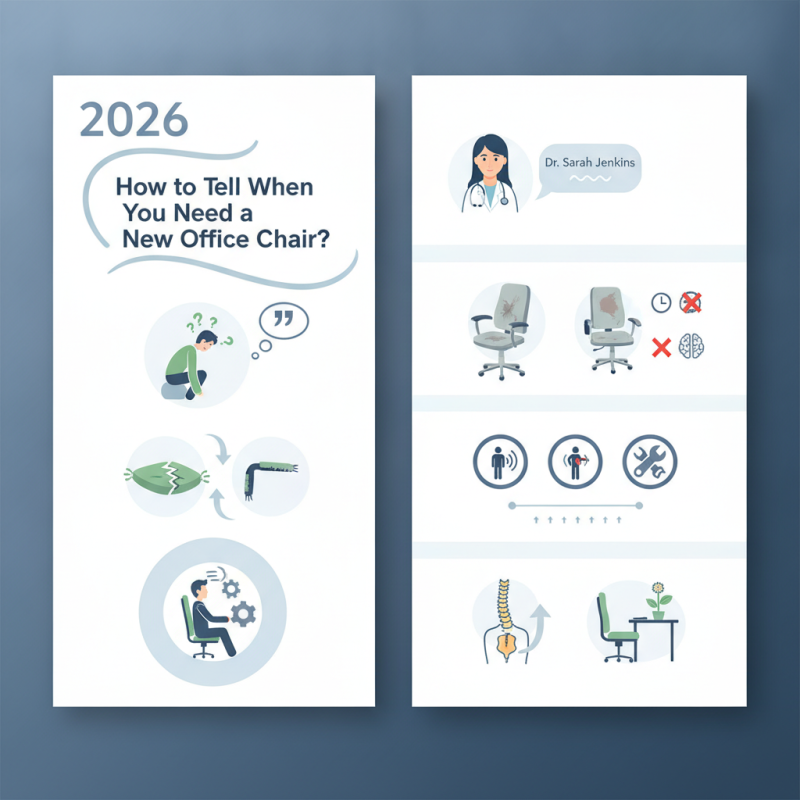
Office chairs are vital for comfort and productivity. However, like any equipment, they wear out over time. Knowing the signs of wear and tear can help you decide when it's time for a replacement. The American Chiropractic Association reports that poor seating can lead to significant back pain. If your chair is showing visible wear, such as torn upholstery or a sagging seat, it's a clear indicator that you need an update.
Be alert for any unusual noises from your chair. Creaks and pops can signal structural issues that may not be fixable. Additionally, examine the wheels. Stiff or broken wheels can disrupt your movement and lead to discomfort. A study from the Journal of Occupational Health Psychology highlighted that subpar seating can decrease productivity by up to 20%. This indicates the need for a comfortable and functional chair.
Tip: Regular inspections can extend your chair's life. Clean the fabric and check for loose screws. If you experience discomfort or persistent pain, it might be time to reevaluate your seating situation. The right chair can greatly improve your work environment, enhancing both comfort and efficiency.
This chart illustrates the common signs of wear and tear on office chairs that indicate it might be time for a replacement. The data collected shows the percentage of users experiencing each issue.
Choosing an ergonomic office chair is essential for workplace comfort. Studies show that about 80% of workers experience back pain due to poor seating. The correct chair can help prevent this. An ergonomic chair supports the natural curve of your spine. It promotes a healthy posture, reducing stress on your muscles.
According to the American Chiropractic Association, a quality ergonomic chair should have adjustable features. This includes seat height, backrest angle, and armrest height. These adjustments are vital. They accommodate different body types and preferences. A study by the Occupational Safety and Health Administration found that employers save $4 to $6 for every dollar spent on ergonomic interventions. This highlights the importance of investing in proper office furniture.
Frequent discomfort is a sign you may need a new chair. If you find yourself shifting positions often, it may be time for an upgrade. Some chairs may look appealing but fail to provide support. Consider the materials used in the chair’s design. Breathable fabrics promote circulation, keeping you comfortable during long hours of work. Remember, your office chair is more than just furniture; it's an investment in your health.
When it comes to office chairs, comfort is crucial for those long hours at your desk. Many people ignore discomfort until it becomes unbearable. Assess how your chair feels day after day.
Tip: Use a cushion for extra support. It might help alleviate discomfort. Regular breaks are important too. Standing up every hour can refresh your body and mind. Pay attention to the contours of your chair. If they don’t support your lumbar area, it’s a red flag.
Look for signs like stiffness in your back or neck. Do you feel tired after a few hours? This could point to inadequate support. Remember, chairs lose their ergonomics over time. Old chairs may seem fine, but they can contribute to pain.
Tip: Adjust the height and tilt of your chair. Sometimes, minor tweaks can significantly improve comfort. Don’t overlook these adjustments. Trust your instincts; if you feel constantly uncomfortable, a new chair might just be what you need.
Back pain and poor posture are common issues in today's workspace. According to the National Institute of Occupational Safety and Health (NIOSH), back pain affects 80% of adults at some point in their lives. Many employees spend long hours sitting, which contributes to discomfort. Identifying the signs of needing a new office chair is vital for long-term health.
Changes in posture can be a clear indicator. If you find yourself slouching more often, your chair may not provide the necessary support. Proper lumbar support is crucial. Research shows that ergonomic chairs can reduce back pain by up to 50% over time. If you notice consistent discomfort after sitting, it might be time to reassess your chair.
Moreover, if you experience recurring aches in your lower back, this could signal that your chair has become ineffective. A recent survey indicated that 65% of workers attribute their back pain to inadequate seating. Consider the angle of your knees and hips. Your feet should rest flat on the ground. If not, your chair may need replacement. A poor choice now could lead to more serious health problems later.
When considering whether to repair or replace an office chair, it's crucial to evaluate cost-effectiveness. Research indicates that the average office chair has a lifespan of 7 to 10 years. Replacement costs can range from $150 to $600, depending on quality. Repair may seem cheaper initially, but the benefits of a functional chair often outweigh some quick fixes.
Many professionals report back pain due to inadequate seating. Approximately 60% of workers say their chair impacts their comfort. A report by the Occupational Safety and Health Administration (OSHA) suggests that ergonomic chairs can mitigate long-term health issues. Investing in a new chair can lead to increased productivity, making the initial cost worthwhile.
Repairing a defective chair often comes with hidden costs. Minor fixes may not address underlying problems, leading to recurring issues. While a quick repair might save money in the short term, it could result in greater discomfort and decreased efficiency. Long-term savings and worker well-being should guide the decision.
: Ergonomic chairs support your spine's natural curve, promoting healthy posture and reducing muscle stress.
Adjustable seat height, backrest angle, and armrest height are essential for comfort and support.
Frequent discomfort, shifting positions, or fatigue after a few hours may indicate it's time for an upgrade.
Yes, breathable fabrics enhance circulation and keep you comfortable during long work hours.
Consider using a cushion for extra support and take regular breaks to refresh your body.
Tweaking the height and tilt of your chair can significantly improve your overall comfort level.
Many wait until pain becomes severe, overlooking signs like stiffness or fatigue during work.
A good chair reduces health issues and enhances productivity, leading to long-term savings for employers.
Old chairs can lose their ergonomic properties, contributing to back pain and discomfort.
Aesthetics don't guarantee comfort; prioritize support to avoid potential pain and health issues.
When considering "What are the signs you need to replace your office chair," several key indicators can help you make an informed decision. First, look for visible signs of wear and tear, such as frayed fabric, broken wheels, or a wobbly base. These physical changes often signal the need for a replacement. Additionally, understanding ergonomic standards can guide you in identifying whether your chair still meets proper support requirements for your posture and comfort.
Moreover, if you find yourself feeling discomfort or experiencing back pain after long hours of sitting, this may indicate that your chair is no longer providing adequate support. Assessing your comfort levels during extended use is crucial for maintaining productivity and overall health. Finally, consider the cost-effectiveness of repairing your current chair versus investing in a new one, as sometimes replacement can be the better long-term solution.
