Forton Furniture Forton Furniture

How to Measure Your Room for a Sectional Sofa Purchase?

Time:2026-05-28 Author:Ethan
0%

Purchasing a sectional sofa can be daunting. One key step is knowing how to measure your room before buying a sectional. Accurate measurements ensure your new sofa fits well and enhances your space.

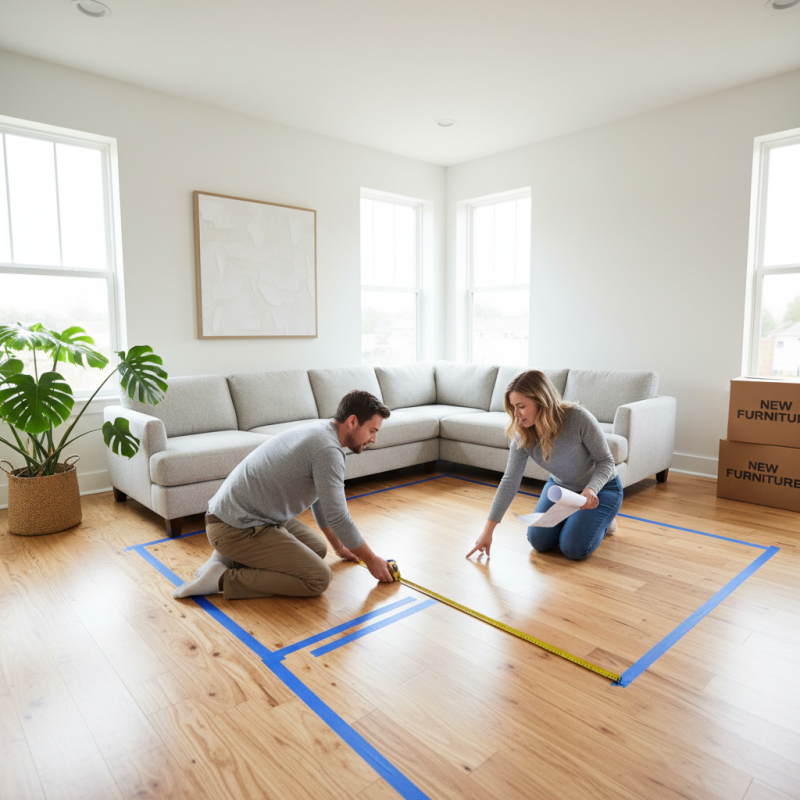
Start by measuring the length and width of your room. Don’t forget to consider the size of doors and windows. These factors can influence the design and placement of your sofa. Visualizing the space can help. Use tape to mark where the sofa will go.

Many buyers overlook the importance of scale. A large sectional may overwhelm a smaller room. Alternatively, a smaller sofa can seem lost in a big space. Taking the time to measure properly will prevent costly mistakes. Remember, a well-fitted sectional not only looks good but also enhances comfort and flow in your home.
How to Measure Your Room for a Sectional Sofa Purchase?

Understand Your Room Dimensions and Layout for Sofa Placement

Measuring your room rightly is essential before buying a sectional sofa. Start with the overall dimensions of your space. Measure the length and width carefully. Consider doorways, windows, and vents. Make sure your sofa can fit without obstructing movement. A sectional sofa can dominate a room, so be mindful of the scale.

Next, factor in your room's layout. Visualize or sketch how you intend to place the sofa. Leave enough space for walkways. An ideal distance is about two feet between the sofa and other furniture. This will ensure comfort and ease of movement. It’s crucial to think about how the sectional will interact with existing decor.

Lastly, acknowledge that layouts can change. What feels perfect today may not work tomorrow. Be open to adjustments. Take a step back and analyze your choices. Does the configuration enhance the room's flow? Remember, your choice impacts your daily life. Reflect on how the sectional will foster a warm, inviting atmosphere.

Identify Ideal Sectional Sofa Sizes Based on Standard Measurements

When measuring for a sectional sofa, it’s crucial to understand standard measurements. Most sectional sofas come in various sizes. Common lengths range from 80 inches to 120 inches. Depth varies, typically between 30 inches and 40 inches. Knowing these dimensions helps narrow down your options.

Tips: Always measure the area where you plan to place the sofa. Use a tape measure and note down the width and length of the space. If possible, use painter's tape on the floor to mark the sofa's footprint. This will help visualize how the sectional fits in the room.

Consider doorways and hallways too. Will your new sectional fit through them? Sometimes, the perfect sofa can become a nightmare during delivery. Measure these openings carefully before making a purchase. It’s also essential to think about the room’s layout. The flow of movement is critical.

Lastly, what about the height? Standard sectional sofas usually stand around 30 inches tall. For those with low ceilings, this might feel imposing. It’s worth pondering whether your space feels open. With thoughtful measurements and consideration, your sectional can enhance any room beautifully.

Ideal Sectional Sofa Sizes Based on Standard Measurements

This chart illustrates the standard measurements for sectional sofas and helps you understand the dimensions based on common room sizes. This information is crucial for ensuring a perfect fit in your living space.

Consider Clearance Requirements for Functionality and Aesthetics

When measuring your room for a sectional sofa, clearance is vital. Having enough space around your furniture enhances both functionality and aesthetics. Ideally, aim for at least 30 inches of walking space. This prevents a cramped feeling and allows for ease of movement.

Consider doorways and windows as you plan. If a sectional is too close to these elements, it may block access or light. Think about the flow of the room as well. An arrangement that feels right can enhance your living space immensely. Test different layouts with tape on the floor to visualize the sofa's footprint and its fit within the room.

Reflect on comfort as well. A beautiful sectional can dominate a space, but it shouldn't hinder daily activities. It’s easy to underestimate how much space your sofa will occupy. Regularly step back and assess whether the configuration feels inviting or boxed-in. As functional as they are, sectionals should blend seamlessly into your lifestyle.

How to Measure Your Room for a Sectional Sofa Purchase? - Consider Clearance Requirements for Functionality and Aesthetics

Room Dimension (Feet) Sectional Sofa Dimensions (Feet) Recommended Clearance (Feet) Functional Clearance Required (Feet) Aesthetic Clearance Recommended (Feet)
12 x 15 8 x 10 2 3 1.5
10 x 12 6 x 8 1.5 2.5 1
14 x 16 9 x 11 2.5 4 2
11 x 14 7 x 9 2 3 1.5

Evaluate Room Shape and Traffic Flow to Maximize Space Efficiency

Measuring your room for a sectional sofa involves understanding both its shape and how people move within that space. This can enhance its functionality. Start by mapping out your room. Note the dimensions, including doorways, windows, and any architectural features. Write down these measurements clearly. This helps visualize where a sectional could fit.

Consider the flow of traffic. Think about how people move through the space. Are there natural pathways that people use? Positioning your sectional to allow for easy movement is crucial. It should not obstruct common walkways. Imagine how family members will interact around the sofa. They should feel comfortable without having to squeeze past furniture.

Evaluate the contours of your room. If it's an irregular shape, that complicates installation. Some sections might fit well against walls while leaving awkward gaps elsewhere. By visualizing furniture placement, you can assess how inviting and usable the space will be. Trust your instincts and be open to adjusting your vision. Sometimes the layout might reveal surprising adjustments that enhance the overall feel.

Account for Additional Furniture and Accessories in Overall Space Planning

When planning to buy a sectional sofa, consider how it interacts with other furniture. Many people forget that additional pieces can change the feel of the room. It’s not just about the sofa dimensions. Think about coffee tables, side tables, and even floor lamps. Each element influences the overall flow and usability of your space.

Leave enough space around the sectional for ease of movement. Ideally, there should be 18 inches between the sofa and coffee table. This distance allows room for drinks and snacks, without feeling cramped. In a cozy setting, crowding can diminish comfort. Remember to measure each piece. A sectional may seem perfect at first, but it can dominate a small room quickly.

While you’re at it, think about accessories like rugs. A well-sized rug can tie a room together, while an oversized one might overwhelm it. Striking the right balance is tricky but crucial. It’s easy to get lost in style and forget about practical aspects. Visualize how you want the entire room to function before committing to the sectional. Planning ahead will save you from costly mistakes and ensure a harmonious space.

FAQS

: What clearance is ideal around a sectional sofa?

: Aim for at least 30 inches of walking space for comfort and movement.

How should I plan for doorways and windows?

Avoid placing the sectional too close to these features. It can block access or light.

Why is room traffic flow important?

Understanding traffic flow helps position the sectional so it doesn’t obstruct movement.

How do I visualize the fit of a sectional in my room?

Use tape on the floor to outline the sectional's footprint before making a decision.

What space should I allow for other furniture?

Leave at least 18 inches between the sectional and coffee table for easy access.

How do additional accessories affect the room's feel?

Accessories like rugs and lamps can change the space's usability. Measure everything carefully.

What should I consider about my room’s shape?

Irregular room shapes may complicate sectional placement. Visualize multiple setups for the best fit.

How can I ensure comfort with a sectional?

Regularly step back and check if the space feels inviting or cramped during layout adjustments.

Is it easy to underestimate the space a sectional occupies?

Yes, many forget how a sectional can dominate a small room. Planning is essential to avoid mistakes.

What's a key tip for overall space planning?

Think about how all elements interact. Don't just focus on style; practical aspects matter too.

Conclusion

When considering how to measure your room before buying a sectional, it’s essential to start by understanding your room's dimensions and layout to determine the best placement for the sofa. Begin by taking accurate measurements of your space, noting the length and width of the room, while also considering any existing architectural features.

Next, identify ideal sectional sofa sizes based on standard measurements, ensuring that the selected sectional complements your space. It's vital to consider clearance requirements for functionality and aesthetics, allowing for comfortable movement around the furniture. Additionally, evaluate the room shape and traffic flow to maximize space efficiency, factoring in how the sectional fits with other furniture and accessories in your overall space planning. By following these guidelines, you can make an informed decision to find the perfect sectional for your room.

Ethan

Ethan

Ethan is a seasoned marketing professional with a deep expertise in our company's innovative product line. With a passion for sharing knowledge and insights, he takes the lead in regularly updating our corporate blog, where he explores industry trends, product features, and effective marketing......