In 2026, the question "Why do I need a headboard for my bed?" remains relevant as we rethink bedroom design. Renowned interior designer, Lisa Smith, emphasizes the importance of headboards: "A headboard offers both function and style, grounding the bed in the overall decor."
Headboards serve multiple purposes that enhance both comfort and aesthetics. They provide support for sitting up in bed, making reading or working more enjoyable. Additionally, a stylish headboard can transform a simple bed into a statement piece, adding character to any bedroom.
Many people overlook the impact of headboards, often opting for a minimalist look. However, the right headboard can create warmth and coziness. Sometimes, it’s easy to forget that personal comfort contributes to better sleep quality. So, when considering your bedroom setup, remember the role of a headboard. It’s not just furniture; it’s a blend of comfort and style that can reflect your personality.
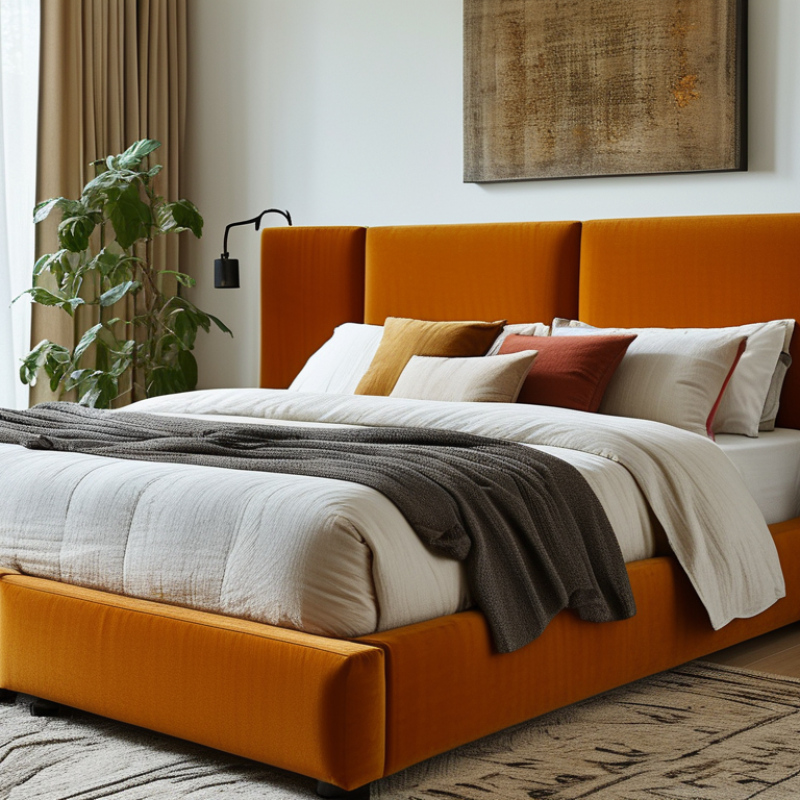
The Evolution of Headboards: A Historical Perspective
Headboards have played a significant role in the history of bedroom design. In ancient times, they served practical purposes, such as providing insulation from cold walls. Crafted from wood or stone, these structures added an element of stability. Over time, headboards evolved into a decorative feature, enhancing the aesthetic appeal of beds. In medieval Europe, elaborate designs adorned castles. These pieces signified wealth and status, often richly upholstered with tapestries or fine fabrics.
As we moved into the 19th century, the Industrial Revolution changed headboard production. Thanks to advancements in manufacturing, designs became more accessible to the middle class. Simple wooden headboards emerged, allowing a wider audience to enjoy this essential furniture. Yet, even with this change, the core function remained intact—providing support and comfort. Today, we see varieties that range from minimalist styles to intricate, artistic statements. However, this evolution raises questions. Are we losing sight of purpose in favor of trends?
In 2026, headboards may continue to reflect individual style, merging form and function. Yet, it’s crucial to remember their historical roots. The blend of aesthetics and practicality ensures headboards remain a vital part of our bedrooms. As we choose headboards, reflecting on their past can guide us to make thoughtful decisions.
Functional Benefits of Having a Headboard for Your Bed
In 2026, headboards are evolving beyond mere aesthetics. They now serve essential functional benefits that enhance sleep quality and bedroom ergonomics. Research indicates that nearly 85% of people experience better sleep with a supportive headboard. This is particularly true for those who read or watch TV in bed. The right headboard can help maintain proper posture, reducing strain on the neck and spine.
Moreover, a well-designed headboard acts as a sound barrier, absorbing noise and creating a calm sleeping environment. According to industry reports, noise disruption is a critical factor for 60% of adults struggling with sleep. Additionally, many headboards come with extra storage or integrated lighting. This functionality addresses common bedroom space issues. It is estimated that 40% of urban dwellers face space constraints, making multifunctional furniture essential.
However, choosing a headboard is not without its challenges. Many people overlook the importance of height and material. An ill-fitted headboard can cause discomfort or even contribute to restless nights. It’s crucial to consider one’s sleeping habits and room layout. Personalization is key, as comfort preferences vary widely among individuals. The right balance of style and function can significantly enhance your bedroom experience.
Functional Benefits of Having a Headboard for Your Bed in 2026
Aesthetic Appeal: Enhancing Bedroom Decor with Headboards
In 2026, embracing a well-designed headboard can significantly enhance bedroom décor. Aesthetic appeal plays a crucial role in home design. According to a recent survey by the National Home Furnishings Association, 70% of homeowners reported that visual comfort impacts their choice of bedroom furnishings. Headboards, both functional and decorative, can serve as focal points that define the overall ambiance of the space.
A variety of styles exist—from minimalist to ornate. Choosing a favorite design can reflect individual personality and taste. Soft textiles add warmth, while wooden structures convey rustic charm. Research indicates that incorporating texture and color can elevate mood, making headboards an essential aspect of interior design. An eye-catching headboard can even boost the perceived value of a home by up to 15%, according to industry experts.
Consider adding a statement piece with contrasting colors to a neutral palette. Lighted headboards that feature built-in LEDs can create a cozy atmosphere. It's important to balance aesthetics with practicality. An oversized headboard may dominate a small room. Reflect on the synergy between comfort and style, as it ultimately shapes your sleeping environment. Aim for pieces that invite warmth and personality, yet be cautious not to overwhelm the space.
Choosing the Right Headboard: Materials and Styles in 2026
When selecting a headboard in 2026, material choice plays a crucial role in both aesthetics and functionality. Wood remains a timeless option, known for its durability and variety. According to the 2023 Furniture Industry Report, wood headboards account for over 45% of sales in the headboard segment. However, metal and upholstered options are rising in popularity. Upholstered headboards, with their soft texture, provide comfort and a cozy ambiance. They represent about 30% of the market share, indicating a shift towards personalized bedroom designs.
Styles are diverse and reflect personal taste. Traditional styles, with intricate designs, have their enthusiasts, but contemporary minimalism is gaining traction. A survey by the Home Decor Alliance showed that 65% of consumers prefer modern headboards for their clean lines and functional designs. Some individuals choose reclaimed materials for sustainable living. This trend highlights a growing awareness of environmental impact.
Investing in the right headboard goes beyond looks. It should complement your bed and enhance your overall decor. The right choice can elevate the space significantly. Keep in mind that personal comfort and practicality should guide your selection. While it’s tempting to follow trends, understanding your needs is essential for long-term satisfaction. Each option has strengths and weaknesses, so take the time to reflect on what suits you best.
Trends in Headboard Design: What to Expect in the Future
As we move into 2026, headboard designs are shifting. More homeowners are embracing sustainable materials. Bamboo, reclaimed wood, and organic fabrics are becoming popular. This reflects a growing awareness of environmental impact. People want their homes to tell a story, even through furniture.
Another emerging trend is multifunctionality. Headboards are evolving beyond simple designs. They now serve as storage solutions or incorporate technology. Look for built-in lighting or charging stations. These features offer convenience in our fast-paced lives. This practical aspect makes headboards more desirable.
Colors and textures are also changing. Bold colors and mixed materials are gaining traction. Textured fabrics can add warmth and interest to a room. However, choosing the right design can be challenging. It must fit with your room’s theme while adding character. Reflecting on personal style is essential. A headboard should resonate with your aesthetic, encouraging deeper thought about your space.
Why Do You Need a Headboard for Your Bed in 2026 - Trends in Headboard Design: What to Expect in the Future
| Trend |
Description |
Material |
Color |
Functionality |
| Sustainable Materials |
Increase in eco-friendly options like bamboo and recycled materials. |
Bamboo, Reclaimed Wood |
Natural Tones |
Eco-conscious living |
| Minimalism |
Focus on clean lines and simplicity in headboard design. |
Metal, Upholstered |
Monochrome |
Space-saving |
| Smart Headboards |
Integration of technology such as charging stations and built-in speakers. |
Wood, Plastic |
Varied |
Tech-enabled functionality |
| Textured Fabrics |
Use of varied textures such as velvet, linen, and leather for a luxurious feel. |
Upholstered |
Bold Colors |
Comfort and style enhancement |
| Customizable Designs |
Options for personalized designs and finishes to match individual styles. |
Various |
Custom Colors |
Personal expression |
Conclusion
In the article "Why Do You Need a Headboard for Your Bed in 2026," the evolution of headboards is examined from a historical perspective, illustrating how their function has transformed over time. Headboards are not merely decorative; they offer various functional benefits, such as providing support while sitting up in bed and protecting the wall from wear and tear. The aesthetic appeal of headboards significantly enhances bedroom decor, allowing individuals to express their personal style through various materials and designs.
As we look to the future, choosing the right headboard in 2026 will involve considering current trends and preferences, including innovative materials and sustainable designs. Understanding "Why do I need a headboard for my bed" is crucial, as it emphasizes the combination of form and function that can elevate both comfort and style in any bedroom. The article ultimately highlights that headboards will continue to play a vital role in both practicality and aesthetic expression in our living spaces.
 Forton Furniture
