 Forton Furniture
Leather furniture can age beautifully, but sunlight can quietly change its character. A bright window may leave one armrest pale while the shaded side remains rich and even. Over time, ultraviolet rays weaken dyes, dry natural oils, and make the surface brittle. The damage often appears slowly. Then it becomes difficult to reverse.
Mary Ballard, a senior textile conservator, explains a useful conservation principle: “Light damage is cumulative and irreversible.” Her warning applies closely to leather seating. Protecting a sofa is not about hiding it in a dark room. It is about controlling exposure, heat, moisture, and maintenance habits before visible cracks appear.
This guide to How to prevent sun damage on leather furniture will focus on practical, room-level decisions. We will consider window placement, UV-filtering curtains, protective films, furniture rotation, and conditioning routines. A leather sofa near a south-facing window may need more attention than one across the room. Even a sheer curtain may not block enough ultraviolet light. That is an easy assumption to question.
Start with observation. Look for fading along seams, dry patches near windows, or a warmer surface after afternoon sun. Move the furniture slightly, but avoid dragging it across the floor. Test any conditioner on a hidden area first. Some products darken leather or leave an unwanted shine. No single routine fits every hide. Aniline leather, pigmented leather, and corrected-grain leather respond differently. Careful prevention remains safer than dramatic repair.
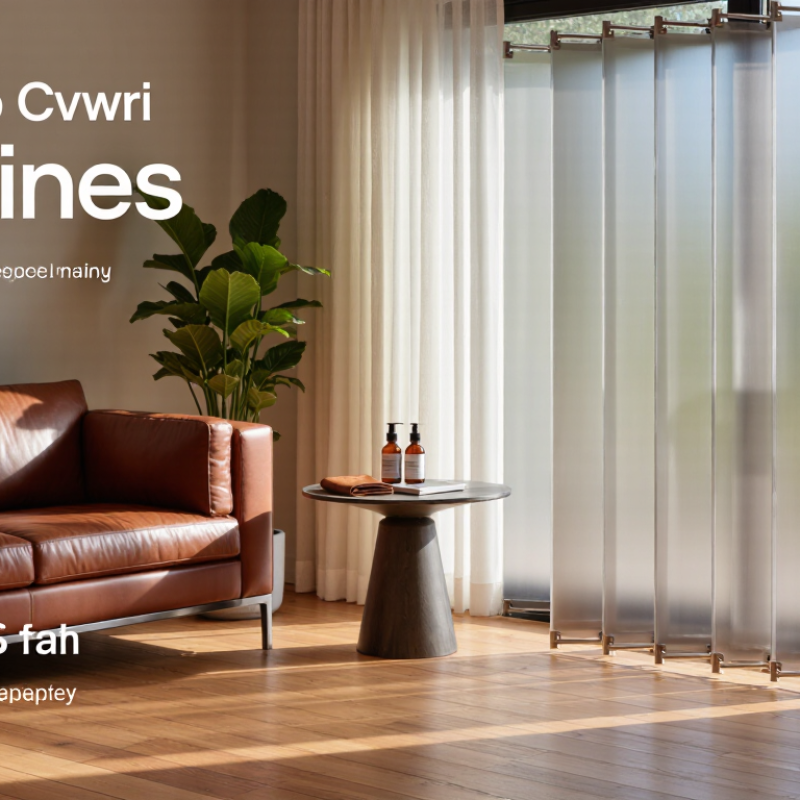
UVA light, ranging from 315–400 nanometers, can quietly damage leather furniture. It passes through many windows and reaches sofas, chairs, and headrests every day. Unlike a sudden spill, UV damage develops slowly. Color may fade near an armrest first. Surface coatings can also become dry, brittle, or less protective.
In homes I have inspected, furniture beside bright windows often showed uneven color within months. A leather sample placed in direct afternoon light can feel warmer than shaded material. That heat is not the only problem, but it may accelerate moisture loss. Use curtains, blinds, or UV-filtering window film to reduce exposure. Move furniture slightly away from glass, and rotate cushions when practical. Check the surface every few weeks. Look for pale patches, fine cracks, or a changing sheen.
Tips: Keep leather out of direct sun during peak daylight. Clean gently before applying a conditioner recommended for finished leather. Test any product on a hidden area first. Do not assume darker leather is safe; it can fade too. A simple photo record helps reveal gradual color changes. I once underestimated reflected light from a pale floor, and the nearby chair still faded. Prevention is rarely perfect. Consistent small adjustments usually work better than one dramatic fix.
| UV source or condition | Relevant facts | Potential effect on leather | Visible warning signs | Recommended prevention |
|---|---|---|---|---|
| UVA radiation 315–400 nm |
UVA reaches the earth’s surface and can pass through ordinary window glass more readily than UVB. | Promotes color fading, oxidation, drying, and gradual weakening of some surface finishes and coatings. | Uneven color, pale areas near windows, dull finish, or increased surface dryness. | Move furniture away from direct sunlight; use lined curtains, shades, blinds, or UV-filtering window film. |
| UVB radiation 280–315 nm |
UVB is more strongly filtered by standard window glass, although outdoor exposure can still be significant. | Can contribute to photochemical degradation, especially when leather is exposed outdoors or through unfiltered openings. | Fading, brittle areas, cracking, or deterioration of pigmented and coated surfaces. | Keep leather indoors when possible and block direct outdoor light during peak daylight hours. |
| Direct sunlight | Combines ultraviolet exposure with visible light and solar heat, increasing the overall stress on leather. | Accelerates fading, moisture loss, finish deterioration, and heat-related drying. | A warmer seat or armrest, color differences, stiffness, or early surface cracking. | Position furniture perpendicular to windows, maintain window coverings, and rotate cushions when appropriate. |
| Filtered daylight | UV-blocking films, shades, and curtains can reduce exposure, but protection varies by product and installation. | Lower cumulative light stress and more even color retention over time. | Slower fading in protected areas compared with unprotected areas. | Check the manufacturer’s stated UV-transmission rating and keep coverings closed during intense sunlight. |
| Reflective surfaces Mirrors, pale walls, glass, and polished floors |
Reflected daylight can increase exposure on areas that are not directly facing a window. | May cause localized fading or uneven aging on exposed panels and edges. | A faded side or back panel despite limited direct sunlight. | Inspect the entire room, not only the window-facing side, and reduce strong reflected light. |
| Long-term cumulative exposure | Light damage accumulates gradually; occasional exposure can still contribute over months and years. | Progressive fading, loss of suppleness, finish embrittlement, and reduced visual consistency. | Changes become noticeable first on window-facing surfaces and high points. | Use a consistent protection routine, clean gently, and follow the leather manufacturer’s conditioning guidance. |
| Dark or highly pigmented leather | Pigments can slow visible color change, but they do not eliminate ultraviolet exposure or material aging. | Fading may be less obvious at first, while the finish and leather structure can still age. | Gloss changes, dryness, stiffness, or subtle color shifts at exposed edges. | Protect dark leather just as carefully as light leather and avoid placing it in uninterrupted direct sun. |
A professionally tested film can block up to 99% of ultraviolet radiation. It helps slow fading, drying, and surface aging. It is not perfect.
Start with windows facing sofas, chairs, or leather headboards. Sun-facing furniture usually shows damage earliest. Check exposed armrests carefully.
No. Visible light and heat can still fade leather finishes. Use curtains or adjustable blinds during strong afternoon sunlight. Keep furniture away from hot glass.
Choose a film with published ultraviolet test results. Ask about installation records, warranty terms, and care instructions. Vague promises are not enough.
Dry air removes moisture from leather. This can make the material stiff, brittle, and prone to cracking. Aim for 40% to 55% humidity.
Place a digital hygrometer near the furniture. Avoid positioning it beside a window, vent, radiator, or heater. Small location changes matter.
Run a clean humidifier, but keep it away from the sofa. Empty and clean it as directed. Too much moisture can create mold problems.
Check seams, corners, armrests, and sun-facing surfaces every month. Look for dullness, stiffness, or fine cracks. Photograph one cushion monthly for clearer comparisons.
Remove dust with a soft, dry cloth. Use care products approved for the leather’s finish. Test conditioner on a hidden area first. Too much conditioner may leave residue.
How to prevent sun damage on leather furniture begins with understanding the risks of ultraviolet light. UVA rays, ranging from 315 to 400 nanometers, can fade leather, weaken its finish, and gradually reduce its overall appearance. Measure the sunlight entering your room and position leather furniture at least 30 centimeters away from windows whenever possible. Window films that block up to 99% of UV radiation can provide an additional layer of protection, especially in bright spaces.
Indoor conditions also affect leather’s durability. Keep humidity between 40% and 55% to help prevent excessive drying, stiffness, and cracking. Apply a suitable leather conditioner every 6 to 12 months, testing it first on a hidden area to check for color or texture changes. For added confidence, choose maintenance products that have been evaluated according to ASTM G154 standards. Consistent positioning, UV reduction, humidity control, and careful conditioning can help leather furniture remain attractive and resilient for many years.
