Protecting hardwood floors from heavy furniture legs is crucial for maintaining their beauty and longevity. According to flooring expert, John Smith, “Heavy furniture can wreak havoc on hardwood surfaces.” This highlights the importance of taking proactive measures.
When considering how to protect hardwood floors from heavy furniture legs, several effective strategies emerge. First, using felt pads or furniture coasters can distribute weight evenly. These simple solutions help prevent dents and scratches. Regularly checking the pads for wear is crucial as they can lose their effectiveness over time.
Another option is to rearrange furniture periodically. This not only offers a fresh look but also minimizes the risk of permanent damage. Failing to consider these steps could lead to costly repairs or refinishing. Maintaining your hardwood floors requires consistent effort and attention, ensuring they remain an elegant feature in your home.
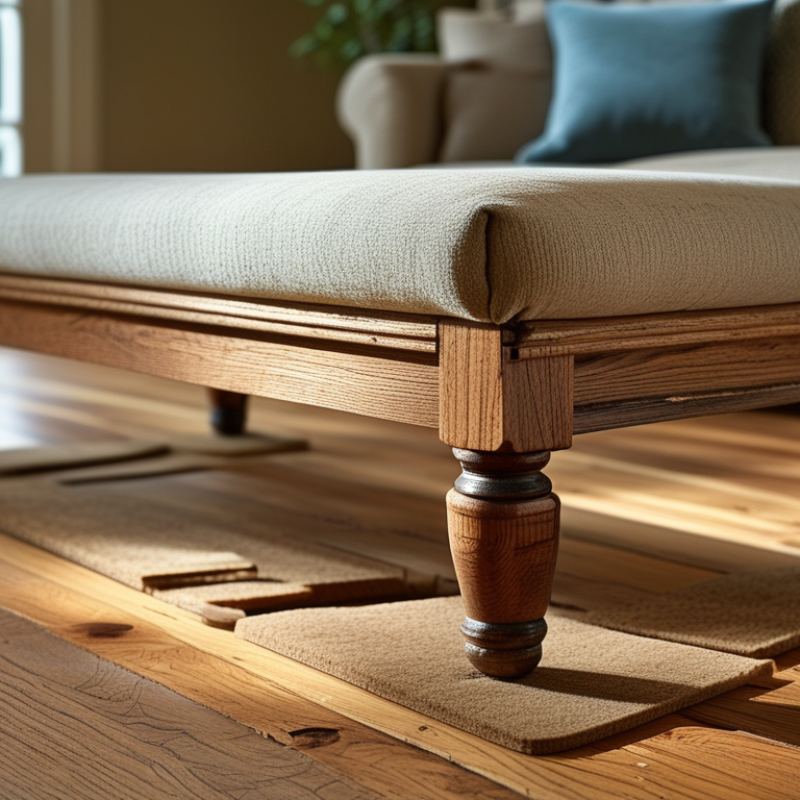
Understanding the Impact of Heavy Furniture on Hardwood Floors
Heavy furniture can significantly impact hardwood floors. The weight of items like sofas and bookcases creates pressure points. Over time, these points can lead to dents and scratches, altering the floor's appearance. Identifying the locations of these heavy items is crucial. Regularly moving furniture helps to distribute weight evenly.
When placing heavy furniture, consider the floor's finish. Some finishes are more resilient than others, but all can be compromised over time. Thin pads or coasters under furniture legs can provide a buffer. Using felt pads absorbs pressure, allowing floors to breathe. Additionally, inspecting your floors regularly keeps them in good shape.
Reflect on the arrangement of your furniture. Are you creating uneven pressure on certain areas? A thoughtful layout can minimize harm. Heavy items need attention. Analyze their placements and consider alternatives. Experiment with lighter options if possible. These small changes can protect your hardwood floors for years to come.
Impact of Furniture Weight on Hardwood Floors
This chart illustrates the potential damage levels that heavy furniture can inflict on hardwood floors based on their weight categories. As the weight increases, so does the potential for damage, highlighting the importance of using protective pads or coasters under heavy furniture.
Common Types of Damage Caused by Heavy Furniture Legs
Heavy furniture can cause significant damage to hardwood floors. Common types of damage include scratches, dents, and even cracks. When heavy furniture legs press into the wood, they create pressure points. Over time, this leads to visible wear and tear.
To prevent these issues, consider using furniture coasters. These small pads distribute weight and reduce direct pressure. It’s also wise to choose coasters made from soft materials. They should fit securely under each leg of your furniture.
Another option is to rearrange furniture periodically. Changing the position lessens the chance of permanent marks. Even slight movements can relieve pressure points. Regular cleaning also helps. Dust and debris can cause additional scratches when moved.
In some cases, the damage may be unavoidable. Wood is a natural material that responds to weight and movement. Acknowledging this can help you take preventative steps and maintain your floor's beauty.
Best Practices for Protecting Hardwood Floors from Furniture Legs
Protecting hardwood floors from heavy furniture legs is crucial to maintain their beauty and longevity. To start, consider using felt pads under all furniture legs. These pads distribute weight and prevent indentations. Choose high-density pads for heavy items like sofas and dining tables. Not all felt pads are created equal, so inspect their thickness and sturdiness before purchasing.
In addition to felt pads,
moving furniture carefully is essential. When rearranging, lift items instead of dragging them. This prevents scratches and minimizes wear on the floor surface. Another option is using
furniture coasters made from durable materials. They can be particularly helpful for larger pieces.
Lastly, be mindful of changes in
humidity and temperature. Wood can expand and contract, affecting how furniture interacts with your floors. Regularly check and adjust the position of heavy items. It may take time to find the best solutions, but small adjustments can make a significant difference in the long run.
Recommended Protective Accessories for Heavy Furniture
Heavy furniture can leave unsightly dents and scratches on hardwood floors. To protect your investment, consider using various protective accessories. These items can significantly reduce the risk of damage when moving or rearranging furniture.
Furniture pads are a popular choice. They come in various sizes and materials, offering cushioning between the floor and the furniture legs. Felt pads are effective for heavier pieces, while rubber options prevent slipping. Ensure you regularly check the pads for wear and replace them as needed.
Another protective accessory is the floor mat. Placing mats under furniture helps distribute weight evenly. This is particularly useful for items like sofas or entertainment units. Also, consider using coasters or specialized furniture gliders. These can allow easier movement when shifting furniture, thus minimizing potential scratches. Remember to evaluate the condition of your floors after rearranging heavy pieces. Regular maintenance is crucial for long-lasting beauty.
Maintenance Tips for Long-lasting Hardwood Floors
Hardwood floors can be a stunning addition to any home, but protecting them from heavy furniture is crucial. Placing heavy items directly on the floor can cause dents and scratches. One effective method is using felt pads. These pads are easy to attach and create a barrier between the furniture and the floor. Always ensure your pads are clean. Dirt can scratch the surface, nullifying their protective purpose.
Regular maintenance will also help your hardwood floors endure. Cleaning with a damp mop can remove dirt and prevent buildup. Use a gentle cleaner designed for hardwood to avoid harsh chemicals. Beyond cleaning, consider refinishing your floors every few years. This process revitalizes the wood and adds an extra layer of protection. However, refinishing can be daunting and may appear uneven if not executed properly. It may be worth consulting a professional for the best results.
Ultimately, attention to these details will contribute significantly to the longevity of your hardwood floors. Embracing preventative measures may require effort, but the rewards are well worth it. Remember, a little attention goes a long way in keeping your floors beautiful and lasting.
FAQS
: Furniture pads, floor mats, coasters, and gliders are all effective accessories.
Consider size and material. Felt pads suit heavier items, while rubber prevents slipping.
Worn pads lose effectiveness and can lead to scratches or dents. Regular checks are essential.
Mats help distribute weight evenly and reduce pressure on floors beneath heavy items.
Use a damp mop with gentle hardwood cleaners to remove dirt without causing damage.
Every few years is recommended, but consult a professional for best results to avoid unevenness.
Evaluate the damage and consider refinishing or using touch-up products for a quick fix.
They allow easier movement of furniture, reducing the risk of scratches on the floor.
Yes, heavy furniture and neglecting maintenance can lead to serious damage over time.
They require effort and attention but can significantly extend the life and beauty of your floors.
Conclusion
Hardwood floors are a beautiful addition to any home, but they can be easily damaged by the weight of heavy furniture. Understanding the impact of furniture on hardwood surfaces is crucial for maintaining their elegance and longevity. Common types of damage include dents, scratches, and finish wear, which can significantly detract from the floor's appearance.
To learn how to protect hardwood floors from heavy furniture legs, it’s important to adopt best practices such as using furniture coasters or pads, rearranging furniture periodically, and avoiding dragging heavy items across the floor. Additionally, certain protective accessories can help create a buffer between your furniture and the flooring. Regular maintenance, including cleaning and refinishing, will also extend the life of your hardwood floors, ensuring they remain beautiful for years to come.
 Forton Furniture
