Forton Furniture
In the world of home decor, a scratched wooden coffee table can be a frustrating sight. Experts like Mark Dorsey, a renowned furniture restoration specialist, emphasize the importance of addressing such imperfections. He once said, “Repairing scratches is as much about restoring beauty as it is about preserving value.” Knowing how to repair a scratched wooden coffee table can enhance its appearance and longevity.
When faced with scratches on your table, immediate action is crucial. The first step is to assess the damage. Not all scratches require a complete overhaul. Sometimes, a simple polishing will suffice. However, deeper scratches may require a more involved approach, like sanding and refinishing. Utilizing the right tools and methods will make a noticeable difference.
This process is not always perfect. Mistakes can happen, leading to uneven surfaces or an undesired finish. It’s a learning curve for many. Yet, each attempt at repair can be an opportunity for reflection and improvement. In the end, mastering how to repair a scratched wooden coffee table not only brings satisfaction but fosters a deeper appreciation for your furniture.
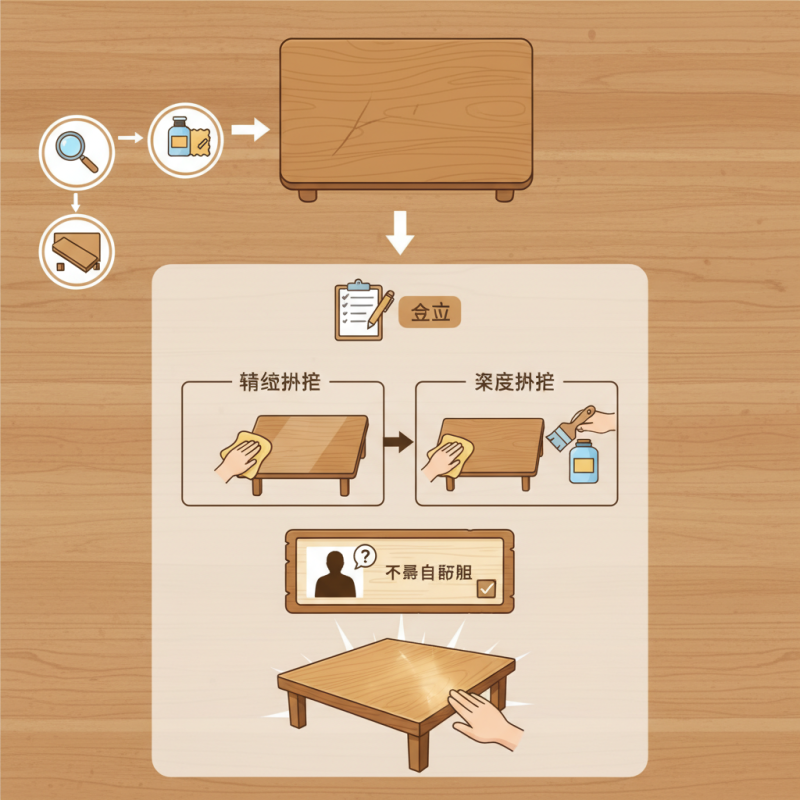
Wooden coffee tables are elegant but vulnerable to scratches. Knowing what causes these scratches can help buyers choose better. According to a survey by the American Home Furnishings Alliance, over 40% of consumers reported scratches as a major concern when purchasing wooden furniture.
Common causes include pet claws, rough fabrics, and improper cleaning tools. Many people use harsh materials that can scratch the surface. In fact, a study by the Furniture Society showed that around 60% of wood damage happens due to careless habits. A coffee table might endure hot cups or sharp objects often. These daily activities contribute significantly to wear and tear.
Buyers need to reflect on their habits. Do you have pets? Are your cleaning tools suitable for wood? These questions matter. Avoiding certain materials can extend the table’s life. While scratches are common, proactive care can minimize them. Awareness is essential in maintaining the beauty of your wooden coffee table.
Repairing a scratched wooden coffee table can be a rewarding task. To begin, gather essential tools and materials. A soft cloth is vital for dusting the surface. A clean workspace keeps everything organized. Choose wood fillers that match your table’s finish. These come in various colors to blend with different wood types.
Sanding sponges are also necessary. They help smooth out scratches effectively. Start with a finer grit for lighter scratches. Use coarser grit for deeper ones. Patience is key during this process. You may need to repeat sanding to achieve a smooth finish.
Don’t forget a sealing product. This protects the wood after repair. Test it on a small area first. Sometimes, colors may not match perfectly. Be prepared for some trial and error. There might be moments of frustration. Remember, perfection is not always the goal. Celebrate small victories along the way.
Scratched wooden coffee tables can be frustrating. Minor scratches are common but can be fixed easily. Follow these steps to restore your table's beauty.
To fix minor scratches, start by cleaning the affected area. Use a soft cloth to remove dust and dirt. This prepares the surface for repair. For shallow scratches, consider using a wood marker that matches the table’s finish. Simply color in the scratch, and it should blend in well. Sometimes, this can make a significant difference.
Tip: Always test any products on a small, hidden area first to ensure compatibility. If the scratch is deeper, you may need to apply a small amount of wood filler. Use a putty knife for application. Let it dry completely before sanding it down gently. Then, finish with a matching wood stain. It can be tricky to get the right shade. Don't rush this step.
Remember, perfection is not always achievable. Some minor imperfections may remain. They can happen to anyone. A little reflection on the table's history can also add charm. Each scratch tells a story; embrace them as part of your table's character.
| Step | Description | Estimated Time | Tools/Materials Needed |
|---|---|---|---|
| 1 | Clean the Surface | 5 minutes | Mild soap, cloth |
| 2 | Identify the Type of Scratch | 2 minutes | None |
| 3 | Use a Scratch Cover or Repair Kit | 10 minutes | Scratch cover, cloth |
| 4 | Apply Wood Stain (if needed) | 15 minutes | Wood stain, brush |
| 5 | Seal with Finish | 20 minutes | Wood finish, brush |
Deep scratches on a wooden coffee table can be an eyesore. They can make even the most beautiful tables look neglected. Thankfully, there are effective methods to deal with these imperfections. One approach is using wood filler. This is best for deep scratches that gouge the wood. Apply the filler using a putty knife, pressing it into the scratch carefully. After it dries, sand it smooth. The table will look better yet might still need a touch-up with wood stain.
Another method involves using a mixture of olive oil and vinegar. This can help hide surface scratches effectively. Mix equal parts of the two ingredients and use a soft cloth to rub it into the scratch. It’s a quick fix, but results may vary. Some users find this method effective, while others remain skeptical. A final option is to use a walnut. Rubbing half a walnut on the scratch can deposit oils and might make it less visible. This is a straightforward, natural solution that many have found helpful. Yet, it might not work for all scenarios. Each method has its merits—and drawbacks. It’s essential to assess what works best for your particular table.
Wooden furniture can be beautiful, but it needs care to prevent damage. A recent survey from the Furniture Industry Association found that 70% of wood furniture owners have dealt with scratches or dents. Avoiding such issues is crucial, especially with high-quality pieces. Direct sunlight can fade finishes. Consider using curtains or window films to block harsh rays.
Another common issue is spills and moisture. It is vital to clean up immediately. Water or oil can leave marks that are difficult to remove. The American Wood Council suggests using coasters. These simple tools can prevent rings and stains.
Regular maintenance is also essential. Dust surfaces weekly to avoid particle accumulation. A microfiber cloth works best. Additionally, using a protective polish every few months can help maintain a beautiful sheen. Approximately 60% of furniture experts recommend this practice to keep wood looking new. Making small efforts regularly can greatly extend the life of your wooden coffee table.
: You can use wood filler for deep scratches. Apply it with a putty knife and sand it smooth.
Mix equal parts of olive oil and vinegar. Use a soft cloth to rub it onto the scratch.
Results may vary. Some find it works well; others are not convinced.
Yes, rubbing half a walnut on the scratch can deposit oils and reduce visibility.
Avoid direct sunlight and use curtains or window films to protect the finish.
Spills can leave difficult-to-remove marks. Clean up immediately to prevent damage.
Dust weekly with a microfiber cloth and use protective polish every few months.
Yes, coasters can prevent rings and stains from spills.
Approximately every few months is recommended to maintain its sheen.
Some methods may not work for all scratches. It’s good to assess each situation carefully.
When considering **how to repair a scratched wooden coffee table**, it is essential to first understand the common causes of scratches, such as everyday wear and tear or accidental impacts. With the right tools and materials, you can effectively restore the surface of your table. Minor scratches can often be fixed using simple methods like applying wood polish or using a blend of oil and vinegar, while deeper scratches may require more involved repair techniques like sanding and refinishing.
Additionally, to prevent future damage to wooden furniture, buyers should be aware of practical tips such as using coasters, avoiding direct sunlight, and regularly cleaning surfaces. By following these guidelines, homeowners can not only repair existing scratches but also maintain the integrity and appearance of their coffee tables for years to come.
