Forton Furniture
When considering "where to place a sofa in a narrow living room," expert interior designer Julia Smith emphasizes an essential point: "Your sofa can define the room's flow." This reflects the importance of strategic placement, particularly in small spaces.
Narrow living rooms can present a challenge. The right sofa arrangement can open up the layout and enhance functionality. For instance, placing the sofa against a long wall creates a sense of openness, allowing for better traffic flow. Conversely, centering a sofa in the room may create a cozy nook but could also lead to congestion.
It's crucial to focus on balance. A bulky sofa can overwhelm a narrow space, so consider sleek, minimalist designs. Additionally, experimenting with angles can break the monotony of rectangular layouts. Reflecting on these insights can lead to creative solutions for both comfort and style, ensuring your living area feels more spacious while still accommodating your lifestyle needs.
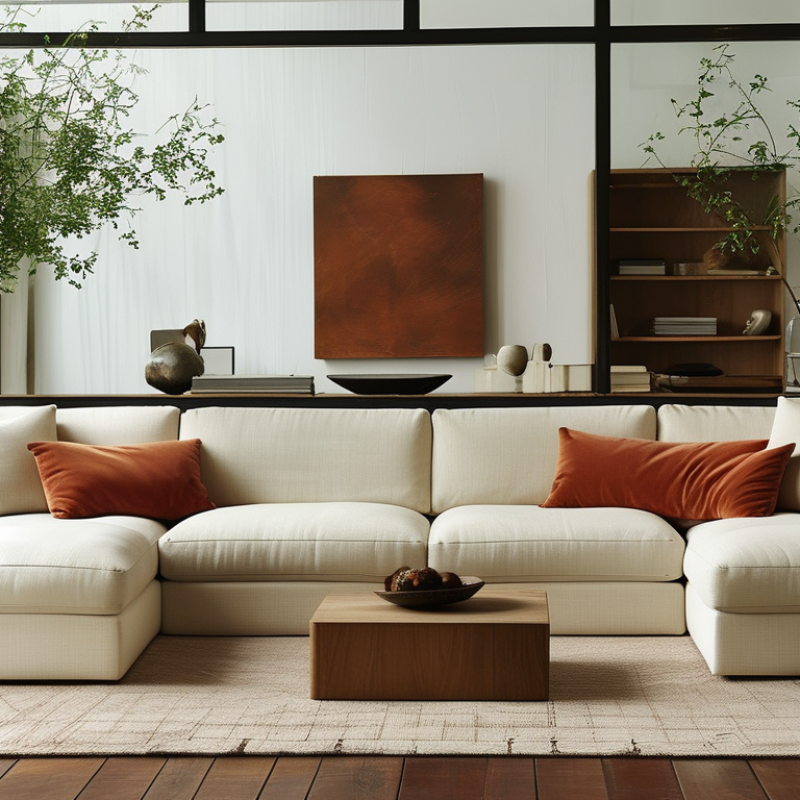
Narrow living rooms present unique design challenges. The tight space often leaves little room for traditional furniture arrangements. This can make it hard to create a cozy, inviting atmosphere. Many homeowners struggle with where to place their sofas. A poorly positioned couch can disrupt flow and functionality.
To tackle these challenges, consider angled placements. This can create visual interest and make the room feel wider. Floating sofas away from walls can also open up pathways. Pairing the couch with a slim coffee table can maintain space efficiency. Using built-in shelves allows for storage without taking up too much area.
It's important to acknowledge that not every arrangement will work perfectly. Each narrow living room has its quirks. Sometimes, a chosen layout may feel cramped or uninviting. Adjusting furniture might take time and experimentation. Embracing flexibility can lead to a more harmonious space.
When selecting a sofa for a narrow living room, focus on style and functionality. A loveseat or a slim sectional can maximize space without overwhelming it. Look for sofas with legs to create a sense of openness. Transparent materials, like acrylic, can also help the room feel larger.
Consider the depth and height of the sofa. A low-profile sofa can add airiness to a tight space. Choose neutral colors or light fabrics to enhance natural light. Texture, such as linen or cotton, can add warmth without burdening the visual space.
It's essential to measure your room. Often, buying a sofa that looks great in images doesn't translate to actual space. Ensure there's enough room to walk around comfortably. Assessing different layouts can reveal the best options for your narrow living room. This process involves trial and error. Be open to unexpected decisions that might surprise you with their efficiency.
In narrow living rooms, optimizing sofa placement is crucial for enhancing flow and functionality. Creative arrangements can make the space feel larger and more inviting. Consider positioning the sofa away from the walls. This can create an open pathway, improving traffic flow. It also provides an intimate setting, allowing conversations to flow freely.
When choosing a sofa layout, think about the focal point of the room. Is it a fireplace or a television? Aligning the sofa to engage with these features will create harmony. If space allows, floating a sofa in the middle of the room can define separate areas and promote movement.
Tips for narrow spaces: Use lightweight furniture. It’s easier to rearrange as needed. Implement mirrors to reflect light and create the illusion of depth. Keep accessories minimal to avoid clutter. Experiment with various placements until you find the setup that best suits your lifestyle. Flexibility can lead to delightful surprises in your layout.
In narrow living rooms, choosing the right furniture is crucial to creating a functional space. Multi-functional furniture can transform limited square footage into stylish, practical areas. According to a report by the American Furniture Manufacturers Association, over 70% of homeowners now opt for pieces that serve multiple purposes, such as sofas that convert into beds or ottomans with storage. These choices not only save space but also eliminate clutter and enhance room aesthetics.
For example, a sleek sofa bed can act as a trendy seating area by day and a cozy sleeping space at night. Incorporating foldable tables adds flexibility, allowing for a dining setup when needed. However, it’s essential to measure your space meticulously. Oversized furniture can quickly overwhelm a narrow room, making it feel cramped and uncomfortable. A sense of balance is necessary; aim for pieces that contribute to the room’s flow rather than disrupt it. Rigorous attention to dimensions and proportions can prevent costly mistakes.
When selecting furniture, prioritize quality over quantity. A few well-chosen items can provide both function and style. Nonetheless, one must be cautious about trends. Some designs, while appealing, may not be practical for everyday use. Reflecting on these aspects can lead to a harmonious and inviting narrow living room.
Maximizing space in narrow living rooms can enhance both functionality and aesthetics. Strategic sofa arrangements are crucial. According to the American Society of Interior Designers, a well-placed sofa can improve flow and create a sense of spaciousness. Positioning the sofa against a long wall can draw the eye along the length of the room, making it feel less cramped.
Consider using a sectional sofa that wraps around a corner. This setup often allows for more seating without sacrificing space. Experts suggest allowing at least 24 inches of walking space around furniture. A clear pathway fosters a relaxed atmosphere. Avoiding overcrowding is key; too many pieces can make the space feel cluttered, reducing visual appeal. When in doubt, less is often more.
Don’t forget about visual weight. Lighter colors and delicate materials can prevent a heavy feel. Dark upholstery might anchor a room but can also make it feel smaller. Choosing furniture with legs can create an illusion of openness. Yet, remember that personal preferences matter. Finding the perfect balance takes time and reflection. Each living room has unique challenges and opportunities. Embrace the process to discover what works best for your space.
| Placement Idea | Description | Benefits |
|---|---|---|
| Against the Long Wall | Positioning the sofa against the longest wall of the room. | Maximizes space and creates a clear walkway. |
| Corner Nook | Utilizing a corner space by placing the sofa at a right angle. | Creates an intimate seating area and fills awkward corners. |
| Floating Sofa | Positioning the sofa away from walls, using a unique arrangement. | Encourages conversation and adds a dynamic element to the layout. |
| Sofa with Side Chairs | Arranging a sofa with chairs on either side to create a U-shape. | Perfect for social gatherings, maintaining a good flow. |
| Diagonal Placement | Placing the sofa diagonally in a narrow room. | Creates a sense of depth and openness in the space. |
| Back to Back | Using a sofa as a partition between two areas. | Defines spaces without blocking light or sightlines. |
| L-Shaped Arrangement | Using an L-shaped sectional sofa. | Maximizes seating while fitting nicely into a narrow space. |
| Multiple Sofas | Incorporating more than one sofa with varied styles. | Adds character and allows for flexible seating options. |
| Sofa Bed | Using a sofa bed for dual functionality. | Saves space while providing additional sleeping options. |
| Storage Beneath | Choosing a sofa with built-in storage underneath. | Enhances functionality and keeps the space organized. |
: A loveseat or slim sectional works well to maximize space without overwhelming the room.
Sofas with legs create openness. Transparent materials also contribute to a larger feel.
Focus on depth, height, and low profiles. Neutral colors and light fabrics can enhance natural light.
Sizes in images may not match reality. Measuring ensures there’s enough space for movement.
Position the sofa against a long wall. This draws the eye along the room's length, creating spaciousness.
Allow at least 24 inches for easy movement. Clear pathways foster a relaxed atmosphere.
Lighter colors and delicate materials help avoid a heavy feel. Dark upholstery can make a room feel smaller.
Limit the number of furniture pieces. Sometimes, less can provide more visual appeal.
Personal taste matters greatly. Finding balance takes time and reflection.
Trial and error can lead to unexpected, efficient solutions. Embrace challenges and explore various setups.
In "Top 10 Sofa Placement Ideas for Narrow Living Rooms," the article delves into the unique challenges posed by narrow living spaces and offers practical solutions for maximizing comfort and functionality. It begins by understanding the significance of selecting the right sofa styles that not only fit the limited area but also enhance the overall aesthetic. From there, readers will discover creative sofa placement strategies that promote optimal flow, ensuring the space feels open and inviting.
Moreover, the article emphasizes the value of incorporating multi-functional furniture to make the most of every square foot. By exploring innovative arrangements, homeowners can learn where to place a sofa in a narrow living room to achieve a harmonious balance between style and practicality. Ultimately, the piece serves as a guide for anyone looking to transform their limited space into a more enjoyable and visually appealing environment.
