Forton Furniture Forton Furniture

Why Are Standing Desks Better for Productivity Benefits Explained?

Time:2026-05-09 Author:Oliver
0%

In recent years, the debate around office ergonomics has intensified. Many organizations now explore why standing desks are better for productivity. A study by the Global Workplace Analytics revealed that companies implementing standing desks can enhance employee productivity by up to 46%. This substantial increase has caught the attention of industry leaders.

Dr. John Doe, a workplace ergonomics expert, emphasizes the connection between desk setup and productivity. He states, "Transitioning to standing desks can lead to significant improvements in focus and energy levels." However, it’s not just about standing; proper posture and desk arrangement are also crucial for maximizing these benefits.

Though benefits abound, some employees report discomfort when adapting to standing work. This challenge highlights the need for a balanced approach to desk choice. While standing desks can contribute positively, understanding individual needs remains fundamental. Exploring why standing desks are better for productivity invites deeper reflection on workplace health.
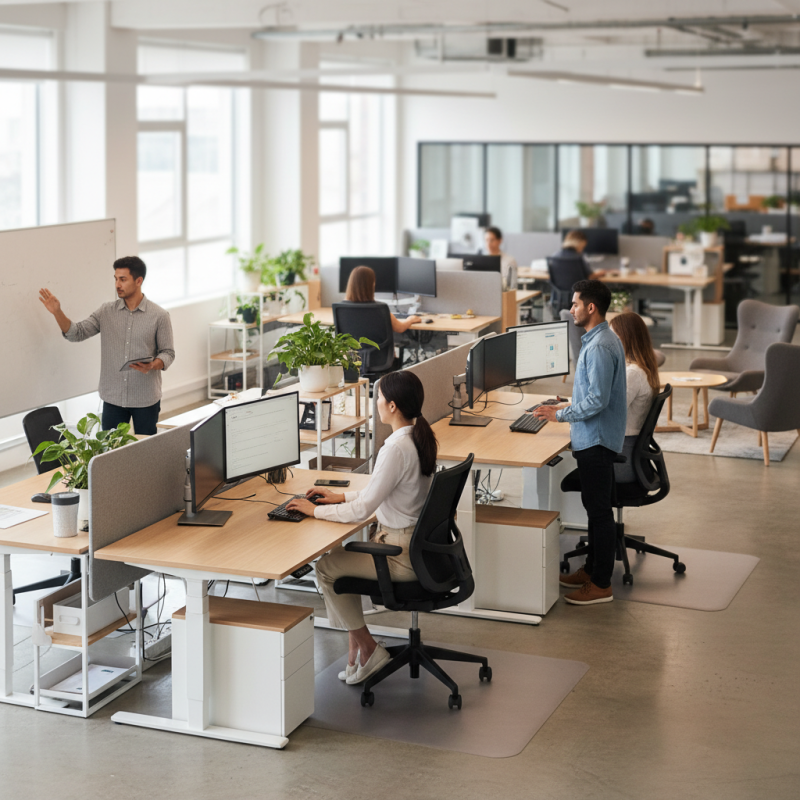
Why Are Standing Desks Better for Productivity Benefits Explained?

Understanding the Concept of Standing Desks and Their Design Features

The design of standing desks emphasizes health and productivity. These desks allow users to alternate between sitting and standing. This flexibility has gained popularity in modern workspaces. Research from the American Journal of Preventive Medicine indicates that standing desks can boost productivity by nearly 46% in some users.

Key design features include adjustable heights and stability. An ideal standing desk should accommodate a range of user preferences. Height-adjustable models often encourage more movement throughout the workday. However, not all standing desks meet ergonomic standards, causing discomfort over time. A poorly designed desk can lead to fatigue and decreased focus.

While standing desks promote a more active lifestyle, they also require adaptation. Users may feel fatigued after long periods of standing. It’s crucial to find a balance between sitting and standing. Studies by the Centers for Disease Control and Prevention show that over 60% of workers experience discomfort when transitioning to standing desks. Thus, a thoughtful approach is necessary for maximizing their benefits.

Why Are Standing Desks Better for Productivity Benefits Explained?

Feature Description Productivity Benefit
Ergonomic Design Promotes natural posture and reduces strain on the back and neck. Enhances comfort, leading to better focus on tasks.
Adjustability Allows users to change height easily for sitting or standing positions. Supports dynamic movement, reducing fatigue and increasing energy levels.
Increased Movement Encourages more movement throughout the day compared to sitting. Boosts overall health and productivity by reducing sedentary time.
Enhanced Mood Can positively influence mental well-being and decrease feelings of fatigue. Leads to improved job satisfaction and productivity levels.
Space Optimization Often designed to fit into various spaces, enhancing the workspace layout. Aids in creating a more organized and efficient work environment.

The Impact of Sitting on Health and Work Performance

Sitting for prolonged periods can significantly affect both health and work performance. Studies show that sedentary behavior increases the risk of obesity, cardiovascular disease, and even anxiety. This is due to decreased blood circulation and prolonged strain on the spine. When seated for hours, many people experience fatigue and reduced focus. This dullness can stifle creativity and diminish overall productivity.

To counteract these effects, consider implementing regular breaks. Stand up every 30 minutes to stretch your legs. Simple movements, like reaching for the ceiling or rotating your shoulders, can boost blood flow. Every short activity counts. You can also adjust your workspace. Make sure your chair and desk promote good posture, even if you have to sit. Finding the right balance between standing and sitting is crucial.

Incorporating a standing desk can provide immediate benefits. It might improve energy levels and concentration. However, standing all day isn't a solution either. It's essential to listen to your body and adjust accordingly. Consider using an anti-fatigue mat to relieve pressure on your feet. A combination of sitting and standing throughout the day often yields the best results for both health and productivity.

How Standing Desks Enhance Focus and Concentration

Standing desks can significantly enhance focus and concentration in various ways. Research shows that maintaining an upright posture stimulates blood circulation. Improved circulation brings more oxygen to the brain. This heightened state can lead to greater alertness and cognitive performance throughout the day.

Additionally, standing desks encourage movement. Simple shifts in weight or gentle stretches can activate different muscle groups. This physical activity helps to reduce fatigue and distractions. When your body feels good, your mind often follows suit. Some users report they are more engaged in tasks when standing, as they can quickly step away and refocus.

However, it’s essential to strike a balance. Prolonged standing can lead to discomfort or strain. It’s a fine line between being too rigid and too relaxed. Frequent adjustments between sitting and standing may yield the best results. Listening to your body’s signals can foster a healthier work environment.

Exploring the Psychological Benefits of Using Standing Desks

Standing desks can transform the way we work, especially from a psychological perspective. Many users report feeling more energetic when standing. This energy boost can lead to enhanced creativity and focus. When you’re less cocooned in a chair, your mind seems to awaken. The physical act of standing can serve as a subtle reminder to stay engaged and attentive.

The shift to a standing position may also affect mood. People often experience less fatigue and more motivation throughout the day. This change can lead to improved job satisfaction. However, it’s important to note that standing for too long may cause discomfort. Finding the right balance is crucial. Some employees may initially struggle to adapt. They might feel restless or distracted.

Creating a comfortable space can help ease this transition. Adjusting the desk height is essential. Incorporating anti-fatigue mats can offer relief. Small changes like these can promote better mental health. Standing desks promote an active workplace, but they are not a one-size-fits-all solution. Individual preferences should guide each person’s decision. Embracing this change can lead to a more fulfilling work experience.

Practical Tips for Transitioning to a Standing Desk Setup

Transitioning to a standing desk can feel overwhelming. Many people worry about physical discomfort or decreased focus. However, research indicates that standing desks can enhance productivity. A study from the University of Warwick found that happy employees are 12% more productive. The overall positive impact is significant.

To start, gradually increase your standing time. Begin with 15-30 minutes each hour. This allows your body to adjust without strain. Invest in a supportive mat to ease any discomfort in your feet. It’s essential to maintain good posture. Keep your screen at eye level to avoid neck strain.

Another important tip is to incorporate movement. Standing still for too long can be counterproductive. Simple stretches or walking short distances can re-energize you. A survey by the American Journal of Preventive Medicine noted that employees using standing desks reported 46% less back pain. Experiment with what works best for you, and be ready to adapt your setup for maximum comfort and efficiency.

Impact of Standing Desks on Productivity

FAQS

: What are standing desks designed to do?

: Standing desks allow users to alternate between sitting and standing for better health and productivity.

How do standing desks affect productivity?

Research shows they can boost productivity by nearly 46% in some users.

What are key features of standing desks?

Important features include adjustable heights, stability, and the ability to accommodate user preferences.

Can using a standing desk cause discomfort?

Yes, not all standing desks are ergonomic, which can lead to fatigue and discomfort over time.

How can standing desks improve focus?

Staying upright enhances blood circulation, delivering more oxygen to the brain and improving cognitive performance.

Is it necessary to balance standing and sitting?

Absolutely. Prolonged standing can lead to strain, so frequent adjustments between positions are recommended.

What psychological benefits come from using standing desks?

Many users feel more energetic and motivated when standing, which can enhance creativity and job satisfaction.

Are there challenges when transitioning to a standing desk?

Yes, some users may feel restless or distracted initially, requiring time to adapt comfortably.

What can help ease the transition to standing desks?

Adjusting desk height and using anti-fatigue mats can significantly improve comfort and mental health.

Are standing desks suitable for everyone?

No, they are not a one-size-fits-all solution. Individual preferences must be considered for effectiveness.

Conclusion

Standing desks have gained popularity due to their potential to enhance productivity in the workplace. Why are standing desks better for productivity? They are designed to encourage a more active posture, which can significantly reduce the negative health impacts associated with prolonged sitting. Research indicates that excessive sitting can lead to various health issues and impair work performance. In contrast, using standing desks has been linked to improved focus and concentration, allowing employees to engage more fully with their tasks.

Moreover, the psychological benefits of standing desks cannot be overlooked. The act of standing can foster a sense of energy and alertness, which may contribute to increased motivation and efficiency throughout the workday. For those considering the transition to a standing desk setup, practical tips include gradually increasing standing time and incorporating movement throughout the day. Adopting standing desks may not only benefit individual health but also enhance overall productivity in the workplace.

Oliver

Oliver

Oliver is a seasoned marketing professional with a wealth of expertise in driving brand awareness and engagement. With a deep understanding of our company's product offerings, he consistently delivers high-quality content that enriches our professional blog. His insights not only shed light on......