Forton Furniture Forton Furniture

Top 10 Tips for Placing a Sofa in a Narrow Living Room?

Time:2026-05-05 Author:Isabella
0%

When considering where to place a sofa in a narrow living room, it’s essential to balance aesthetics with functionality. Many people struggle to maximize space while maintaining a cozy atmosphere. A narrow living room can feel cramped if furniture is not arranged wisely. Imagine finding the perfect spot for your sofa that enhances the room's flow instead of hindering it.

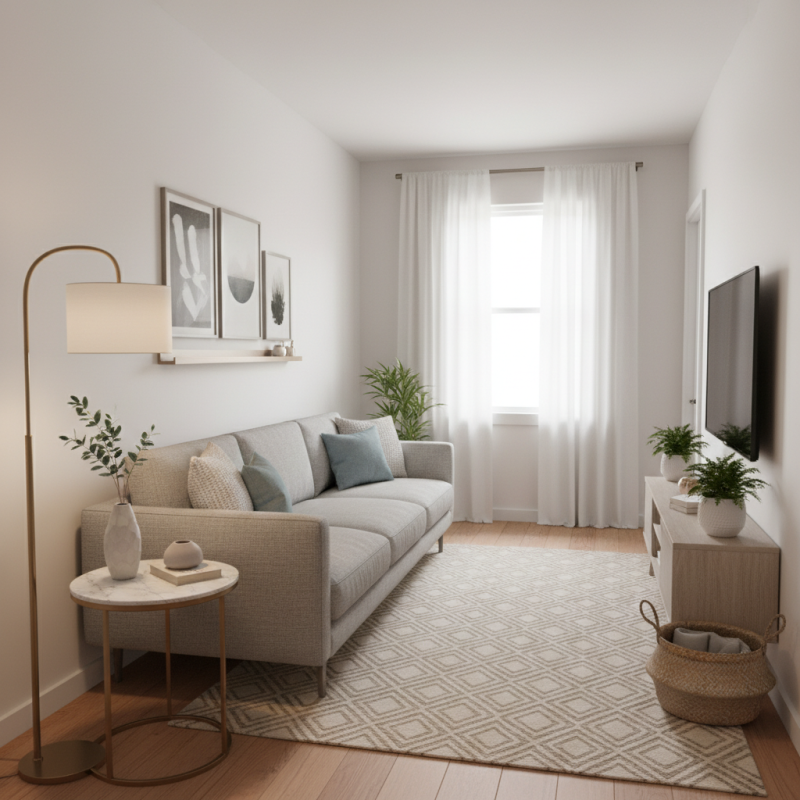
One effective approach is to understand the room's layout and natural pathways. Place your sofa parallel to the longest wall. This simple trick often creates an illusion of space, making the room feel less confined. However, it's easy to overlook factors like light sources and traffic patterns. A thoughtful arrangement can transform a narrow space into a welcoming retreat.

Many homeowners face the challenge of placing a sofa without making the room feel cluttered. Rethinking traditional layouts can be liberating. It's crucial to step back and reflect on the overall balance and comfort of your living area. Don't be afraid to experiment with angles and distances. Finding the ideal position for your sofa involves creativity and can lead to surprising results.
Top 10 Tips for Placing a Sofa in a Narrow Living Room?

Choosing the Right Sofa Size for a Narrow Living Room

Choosing the right sofa size is crucial for narrow living rooms. According to the American Society of Interior Designers, ensuring at least 30 inches of walking space is vital. This guideline can help avoid a cramped look. A sofa that is too large can disrupt flow and make the room feel smaller.

Consider opting for a smaller sofa, ideally between 72 to 84 inches. This size offers comfort without overwhelming the space. Industrial design studies indicate that sectionals or loveseats can also work well. These options allow for better movement around the room.

Be cautious about the sofa's depth and height as well. Depths under 35 inches can maintain an open feel. Low-profile sofas can visually elongate the space. It’s essential to visualize how the sofa impacts the overall aesthetics. Use painter's tape to mark the intended sofa size on the floor. This can prevent miscalculations.

Optimizing Sofa Placement for Improved Flow and Accessibility

When placing a sofa in a narrow living room, accessibility is essential. The right arrangement can create a welcoming atmosphere without making the space feel cramped. One effective tip is to float the sofa away from the walls. This method encourages better flow and offers a cozy seating area. Position side tables at arm's reach to enhance usability, balancing aesthetics with convenience.

Another practical suggestion is to choose a lighter color for the sofa. A light-colored couch can make the space feel larger and airier. Avoid overwhelming patterns that can clutter the room visually. Instead, opt for one or two accent pillows to add personality without compromising openness. Reflecting on these choices can help maintain a harmonious feel.

Consider the importance of traffic lanes. Designate clear pathways through the room to improve flow. Ensure that people can move freely without navigating around obstacles. It might be tempting to push furniture against the walls, but sometimes a more intimate layout works better. Test different positions to find the perfect balance between function and style.

Using Visual Tricks to Enhance Space Perception with a Sofa

In a narrow living room, using visual tricks can significantly enhance space perception. Opting for a light-colored sofa can create an illusion of openness. Choose fabrics that reflect light, making the area feel airier. A low-profile design further helps, drawing the eye upward and making the room appear taller.

When placing the sofa, consider an angled position. This can draw attention away from the room’s narrowness. Additionally, leave some space between the sofa and walls. This invites better flow and allows for movement, minimizing a cramped feeling. Using a sleek sofa table behind the seat can add functionality without overwhelming the space.

Integrate mirrors strategically across from the sofa. They can reflect light and create a sense of depth. This simple trick will make the living room feel less confined. Lastly, use scalable artwork to maintain the room's proportions. Overly large art can confuse the eye, while smaller pieces work harmoniously in narrow settings. Embracing these tips can create a cozy yet spacious environment.

Incorporating Multi-Functional Furniture for Space Efficiency

In a narrow living room, incorporating multi-functional furniture can enhance space efficiency significantly. Opt for a sofa that doubles as a sleeper. This choice is practical for small spaces and comes in handy for guests. Consider a sofa with storage compartments underneath to keep clutter at bay. Such details make a big difference in maintaining an organized environment.

Another effective trick is to use a coffee table that can convert into a dining space. This allows you to maximize seating options without sacrificing style. Look for ottomans that can serve as both seating and storage. These versatile pieces can easily be tucked away when not in use, freeing up valuable floor space.

When arranging the sofa, think about its placement. Position it against a wall to create an open pathway through the room. Avoid overcrowding with large furniture pieces. You might even consider a sectional that fits snugly in a corner. Remember, the goal is to create a cozy yet functional area, balancing comfort with practicality. Reflect on these ideas to find what works best for your living space.

Top 10 Tips for Placing a Sofa in a Narrow Living Room - Incorporating Multi-Functional Furniture for Space Efficiency

Tip Number Placement Strategy Furniture Type Space Efficiency
1 Position against the longest wall Standard Sofa Maximize walking space
2 Use a corner sofa L-Shaped Sofa Utilize corner space
3 Consider a loveseat Loveseat Compact for smaller areas
4 Add a sleek coffee table Nesting Tables Flexible and space-saving
5 Use open shelving Open-Front Storage Maximize vertical space
6 Incorporate ottomans Storage Ottomans Dual-purpose as seating/storage
7 Select a lighter color Light-Colored Sofa Enhances openness
8 Optimize layout flow Modular Sofa Customizable arrangement
9 Use wall-mounted lighting Wall Sconces Free up floor space
10 Choose slim profile designs Slim Sofa Conserve visual space

Creating Balance and Harmony with Accessories Around the Sofa

When placing a sofa in a narrow living room, balance and harmony are key. The sofa's position significantly impacts how the space feels. Arrange accessories thoughtfully around the sofa to create a cohesive look. Use a large area rug to define the seating area and add warmth to the room. This visual boundary can make the room feel wider.

Consider incorporating a pair of small side tables on either side of the sofa. They provide convenience without overwhelming the space. Choose accessories that are proportional to your furniture. Oversized decor can feel clunky in a narrow room. Instead, opt for minimalist options that complement the sofa’s design.

Lighting also plays a crucial role. Use wall-mounted fixtures to save floor space. A small table lamp can add a cozy touch without taking up much room. Reflective surfaces, like mirrors, can enhance the sense of space. They can make the narrow living area feel larger.

Don't hesitate to rearrange items as the seasons change. Over time, you might find that some accessories do not fit the room's vibe. Regularly assess your setup and adjust accessories to maintain harmony in your living space.

FAQS

: How important is sofa size in a narrow living room?

: Sofa size is crucial. It affects comfort and the room's flow. Aim for a sofa between 72 to 84 inches.

What should I consider about sofa placement?

Place the sofa away from walls for better flow. It creates a cozy area without feeling cramped.

How can color influence the perception of space?

Choosing a light-colored sofa can make the room feel larger and airier. Avoid overwhelming patterns.

What are effective tips for enhancing room flow?

Ensure clear pathways for movement. Avoid obstacles that disrupt traffic lanes in the room.

How can visual tricks improve a narrow living room?

Use mirrors strategically to reflect light. This creates a sense of depth and spaciousness.

What role do accents like pillows play?

Use one or two accent pillows. They add personality without cluttering the space visually.

How can sofa design impact room aesthetics?

Low-profile designs draw the eye upward. They make the room appear taller and more open.

Should I test different furniture arrangements?

Yes, experimenting with layouts can help find balance between style and functionality.

What's a common mistake when arranging furniture?

Pushing furniture against the walls may seem natural, but it can make the space feel less inviting.

How can I visualize the sofa size before buying?

Use painter's tape on the floor to mark the intended sofa size. This avoids miscalculations.

Conclusion

When considering where to place a sofa in a narrow living room, it's crucial to start with the right sofa size. Choosing a proportional piece ensures that the space does not feel cramped and allows for comfortable movement. Optimizing sofa placement can significantly enhance the flow and accessibility of the room, making it more inviting and functional.

Additionally, employing visual tricks, such as choosing lighter colors or using mirrors, can help enhance the perception of space around the sofa. To maximize efficiency, incorporating multi-functional furniture like ottomans or storage benches can also be beneficial. Finally, ensure that accessories around the sofa create a sense of balance and harmony, contributing to an overall cohesive look while maintaining the room's openness.

Isabella

Isabella

Isabella is a dedicated marketing professional with a sharp focus on driving brand growth and engagement through strategic content creation. With an extensive background in digital marketing, she combines her passion for storytelling with her keen understanding of industry trends to deliver......