Forton Furniture
Assembling a flat-pack wardrobe alone can be daunting. However, with the right approach, it can also be a rewarding experience. Knowing how to assemble a flat-pack wardrobe alone requires patience and attention to detail. Start by choosing a spacious area with good lighting. This makes it easier to find parts and read instructions.
Gather all tools beforehand, like a screwdriver and a hammer. It's vital to check that you have every piece before starting. Often, people skip this step and realize something is missing halfway. This can lead to frustration. Each instruction step should be followed carefully. Rushing through may seem tempting but often results in mistakes.
Understanding how to assemble a flat-pack wardrobe alone means being prepared for challenges. You might face unexpected issues, such as missing holes or unclear instructions. Learn from these moments. Reflecting on your process can help improve your skills for future projects. Embrace the journey, and you could end up with not only a wardrobe but also newfound confidence in your DIY abilities.
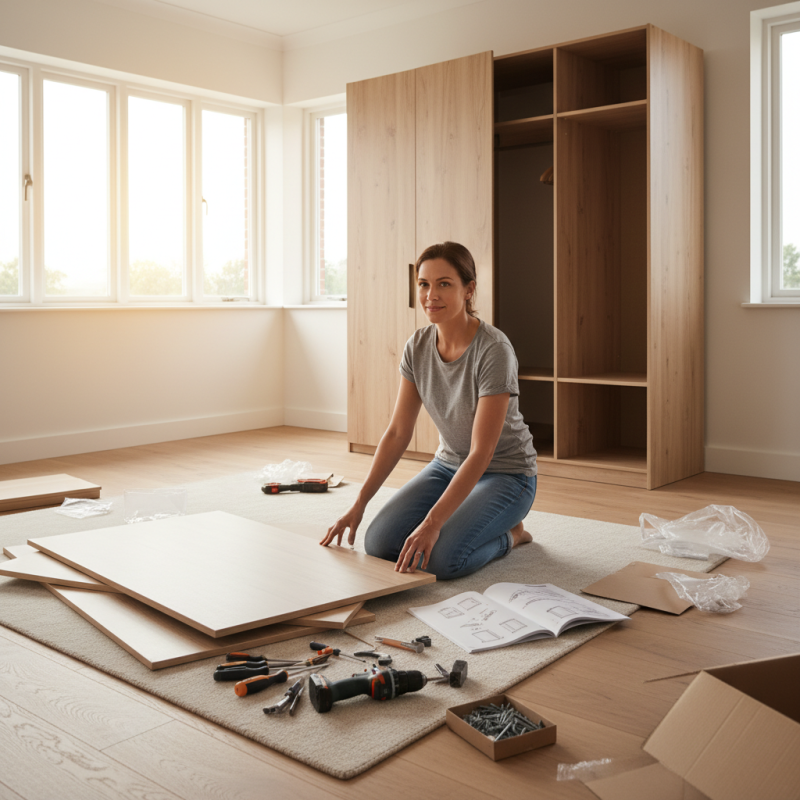
Assembling a flat pack wardrobe can be a rewarding, yet challenging task, especially when doing it alone. Having the right tools is crucial. Start with a good quality screwdriver. A Phillips head screwdriver is typically needed. It helps to correctly fasten screws without stripping them. An Allen key set is also essential. Many flat pack designs use these for securing parts, ensuring stability.
A rubber mallet is a handy addition. It assists in gently tapping pieces together without damaging the surfaces. Measuring tape is critical too. Accurate measurements prevent misalignment, which can lead to frustration. Use it to confirm dimensions before starting assembly. Make sure to have a level on hand. This tool keeps the wardrobe straight, avoiding future issues like tilting or leaning.
Don’t forget a box cutter. It helps to open the package and safely cut any tape. Be careful not to damage the components inside. Lastly, keep a flashlight nearby for better visibility in dim areas. Sometimes, shadows can create confusion about where parts fit. It might seem daunting, especially the first time. Accepting that mistakes may happen is part of learning.
Assembling a flat pack wardrobe can be a daunting task, especially for those doing it alone. Proper preparation is crucial for a successful assembly. According to a recent industry report, nearly 70% of home assembly projects face delays due to inadequate planning. To avoid this, it’s essential to gather all necessary tools and pieces before starting. A simple checklist can help ensure that nothing is overlooked.
Before getting started, assess the workspace. An organized area can enhance efficiency. Poor lighting or limited space contributes to frustration. Interestingly, studies show that cluttered environments can lead to a 30% decrease in productivity. So, set up your workspace where you can move freely. Once everything is ready, read through the instructions thoroughly. Many users overlook steps because they assume they understand. This often leads to mistakes, resulting in reassembly or missing pieces.
Lastly, consider the physical aspects of the task. Flat pack assembly involves moving and lifting heavy components. Being mindful of posture can prevent injuries. A report by safety organizations indicates that overexertion accounts for 20% of assembly-related injuries. Remember, if something appears complicated, it’s okay to seek help. Learning from these experiences improves future attempts. Balancing preparation with practicality can make the process less overwhelming.
As you prepare to assemble a flat pack wardrobe, understanding how to identify and organize the parts is crucial. According to studies by the Furniture Industry Association, 60% of DIY furniture assembly issues stem from misidentified components. Take the time to lay out all pieces and fasteners clearly. Use labels or markers to group similar items. This can save hours of frustration and potential mistakes.
Prioritizing organization enhances efficiency. Arrange parts by size and shape. A small container can hold screws, while larger pieces should remain flat. Creating a visual inventory can help you track everything, reducing the risk of missing components. When working with flat pack wardrobes, improper assembly can lead to structural problems. Industry reports indicate that nearly 30% of return issues relate to assembly errors. Reflecting on these statistics may remind you to double-check your layout before proceeding. Proper organization sets the foundation for success, paving the way for a hassle-free assembly experience.
Assembling flat pack wardrobes can be a daunting task, especially if you are doing it alone. To follow assembly instructions effectively, start by reading each step carefully. Many people overlook this, leading to mistakes. Take your time to understand the visuals and descriptions provided. A clear understanding helps in avoiding confusion and ensures a smoother assembly process.
Gather all necessary tools before you begin. Having a dedicated workspace can make the task easier and more efficient. It might be tempting to start immediately, but preparation is crucial. Keep an eye out for small parts; losing them can halt your progress. Sometimes, it may feel frustrating if pieces don’t seem to fit. Step back, and recheck your work. This reflection can save time and effort later.
Don't hesitate to ask for help if needed. It’s okay to seek assistance from a friend or family member. Working alone is admirable, but collaboration often leads to better outcomes. Remember that each wardrobe assembly can teach you something new. Embrace the small failures along the way; they contribute to your skills. As you gain experience, your confidence will grow, making future projects less intimidating.
When assembling flat pack wardrobes, ensuring stability is crucial. A well-constructed wardrobe not only looks good but also lasts longer. Begin by checking each panel for damage. Minor issues can affect overall strength. Align the panels correctly; misalignment can lead to wobbling. Use a level to ensure every section sits even. This small step can prevent significant problems later.
Additionally, securing the wardrobe to the wall adds extra stability. Many flat pack designs include wall anchors for this purpose. Studs are stronger than just drywall. Use a stud finder to locate the best anchoring points. A securely anchored wardrobe won’t sway when you open the doors or drawers.
Regular maintenance is also essential. Inspect joints and screws every few months. Tighten any loose parts to avoid breakdowns. Over time, wood can warp due to temperature changes. If you notice any changes in shape, address them quickly. These simple practices can prolong the life of your wardrobe, making it a valuable part of your space.
: A screwdriver, Allen key set, rubber mallet, measuring tape, level, box cutter, and flashlight are essential.
It helps tighten screws properly without stripping them, ensuring a secure assembly.
Use a measuring tape to check dimensions before assembling to avoid frustration later.
It gently taps pieces together without damaging their surfaces, making assembly easier.
Lay out parts clearly and label them. Group similar items in containers to enhance efficiency.
Proper organization reduces the risk of missing components and prevents potential assembly errors.
Accept that mistakes happen. Reflecting on them can help you learn and improve for next time.
Misassembly can lead to structural problems. Nearly 30% of return issues arise from these errors.
It improves visibility in dim areas, helping you see where parts fit without confusion.
Good organization sets the foundation for success, paving the way for a smoother assembly process.
Assembling a flat-pack wardrobe alone can be a rewarding yet challenging task. To ensure a smooth process, it's essential to equip yourself with the right tools, including a screwdriver, hammer, and level. Preparation is key—clear the workspace and lay out all components for easy access. Knowing how to identify and organize your wardrobe parts will save time and reduce confusion during assembly.
When it comes to following the assembly instructions, focus on each step, ensuring you understand the diagrams and descriptions provided. Additionally, implementing best practices such as securing screws and ensuring the wardrobe's stability will enhance both its durability and longevity. By mastering these tips on how to assemble a flat-pack wardrobe alone, you can achieve a professional-looking result with confidence.
