Forton Furniture
Choosing the right dining table size for 6 people can significantly impact both space and comfort in your dining area. A well-sized table encourages conversation and creates an inviting ambiance. According to a 2022 report by the National Furniture Association, a table space of at least 24 inches per person is ideal for cozy dining. This ensures that everyone has room to eat and socialize without feeling cramped.
Renowned interior designer, Sarah Thompson, emphasizes the importance of proportion. She states, “A dining table should enhance a space, not overwhelm it.” When considering how to choose the right dining table size for 6 people, it’s vital to evaluate room dimensions and table shape. Round tables can foster intimacy, while rectangular options offer more flexibility for larger gatherings.
However, remember that personal preferences and dining styles also play a role. A larger table may seem appealing but could lead to underutilization if your space is limited. Reflect on your needs and lifestyle to avoid potential mismatches. Ultimately, a thoughtful selection will complement your dining area while providing a functional gathering place.
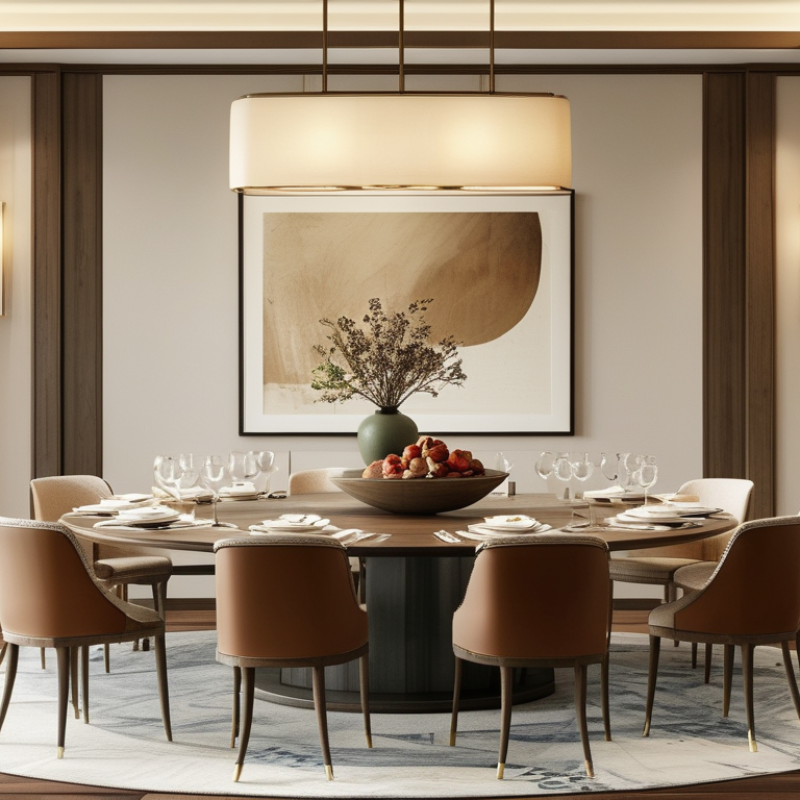
When selecting a dining table for six people, understanding the standard sizes can profoundly impact comfort and functionality. A table typically ranges from 60 to 72 inches in length. According to the American Home Furnishings Alliance, a space of at least 24 inches per person is recommended. This means that a table of this size allows for adequate room for dining accessories and movement.
Width matters too. The ideal width is between 36 to 48 inches. This range accommodates plates, centerpieces, and conversations without feeling cramped. Importantly, round tables are also an option. A 60-inch round table can comfortably fit six people and create a cozy atmosphere. However, the circular shape may limit additional serving space.
Consider the layout of your dining area. If space is tight, a smaller table may enhance the flow of the room. Conversely, a larger table may risk overwhelming a compact area. Reflection on how you intend to use the space can reveal insights. Will it be for casual meals or more formal gatherings? Thoughtful consideration of these aspects can lead to a more satisfying dining experience.
When measuring your dining space for a table that accommodates six people, precision is key. The National Kitchen & Bath Association suggests that you should allow at least 24 inches of space per person. This means your table should ideally be about 72 inches long. However, this can seem overwhelming if your dining area is compact. You may need to rethink the arrangement or style of table you choose.
It’s essential to evaluate your room size. For smaller spaces, a round table can provide an illusion of space. Conversely, rectangular tables suit larger areas better. Consider visualizing the setup with masking tape on the floor. This method helps you see how much room a table takes up.
Explore multi-functional furniture. Expanding tables can accommodate more guests when needed. Reports from design experts reveal that flexible furniture doubles space uses effectively. Remember that comfort matters. Chairs should slide in and out easily, ensuring guests feel at ease. Think beyond just seating six; plan for future needs. A little extra thought today can foster long-term satisfaction with your dining area.
When selecting a dining table for six, consider the shape carefully. Round tables foster intimacy and facilitate conversation. They eliminate sharp corners and provide a softer aesthetic. However, they often offer less surface area than rectangular ones. This can limit your dining experience, especially if you're serving multiple dishes.
Rectangular tables tend to provide more space. They accommodate serving dishes and decorations better. This shape also aligns with traditional dining settings, allowing for easy side-by-side seating. If space permits, a rectangular table can be extended to fit more guests. But do consider the room layout; a large table in a small space may feel cramped.
In terms of practical considerations, reflect on your lifestyle. Do you host large gatherings often, or is it more of a cozy family dinner? Round tables can feel crowded during big meals, while rectangular tables can sometimes seem imposing in smaller dining areas. The balance between functionality and aesthetics is crucial. Each shape has its pros and cons. Choose what aligns best with your hosting style and the space you have.
Choosing the right material and design for a dining table is essential for both durability and aesthetics. In recent studies, over 70% of consumers reported that table material affects their overall satisfaction with a purchase. Solid wood remains a top choice due to its longevity and natural beauty. It can withstand daily use and adds warmth to any dining space. However, it often requires maintenance to keep it looking its best.
On the other hand, materials like glass and metal offer a modern touch. Glass tables can make spaces feel larger. Yet, they are prone to scratches and require frequent cleaning. Metal, while durable, may lack the warmth of wood.
Combining different materials can also create a unique look. For instance, a wooden table with metal legs can balance aesthetics and durability.
Design also plays a crucial role. A well-proportioned table enhances the dining experience. Dining tables for six should ideally measure between 60-72 inches in length. This ensures adequate space for dining without overcrowding. A circular table may encourage conversation but can limit seating. Ultimately, the choice depends on personal taste and space constraints. Balancing beauty and practicality is key.
Choosing the right dining table size is essential for comfortable seating for six people. The American Society of Interior Designers recommends allowing at least 24 inches of space per person. This ensures everyone has enough room to eat without feeling cramped. When selecting a table, remember to account for chair dimensions. A standard dining chair measures around 18 inches in width.
An ideal dining table for six often ranges from 72 to 78 inches in length. This size accommodates six chairs comfortably, allowing for easy movement. The layout matters, too. Placing chairs too close can lead to discomfort. A study by the National Kitchen and Bath Association suggests a clearance of 36 inches around the table for optimal flow.
It's vital to consider the table's shape as well. Rectangular tables create good space for sharing dishes. Round tables can enhance conversation but may limit elbow room. Remember, your choice might not suit every occasion; functionality may take precedence over aesthetics. Reflect on how your dining area is used. It can help identify whether your table choice is truly effective or merely a trend.
: A standard dining table typically ranges from 60 to 72 inches in length.
At least 24 inches per person is recommended for comfortable dining.
The ideal width is between 36 to 48 inches for plates and conversation.
Yes, a 60-inch round table can fit six but may limit serving space.
Round tables are intimate but may feel crowded; rectangular ones offer more surface area.
Allow at least 24 inches per person; 36 inches clearance around the table is optimal.
Rectangular tables offer good space for dishes; round tables enhance conversation but limit elbow room.
A smaller table may enhance flow in tight spaces; larger tables can feel overwhelming.
Reflect on whether you host large gatherings or prefer cozy dinners; it matters.
Reflect on your dining habits to ensure the table suits your needs and preferences.
When considering how to choose the right dining table size for 6 people, it is essential to understand standard dining table dimensions to ensure ample space for everyone. Generally, a table that is about 60 to 72 inches long will comfortably accommodate six diners. Measuring your dining area is also crucial, allowing you to find a table that fits well within the space, leaving enough room for movement and additional furniture.
In addition to size, the shape of the table plays a significant role—round tables promote conversation, while rectangular tables can fit more people more easily. Selecting the right material and design will not only enhance the aesthetic appeal but also ensure durability. Finally, consider the seating arrangements; allowing for sufficient chair space is vital for comfort. By following these guidelines, you can create an inviting dining experience for all.
