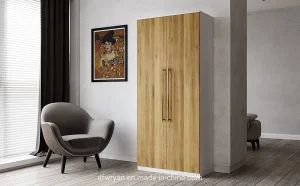
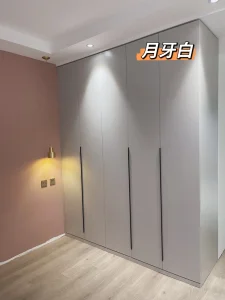
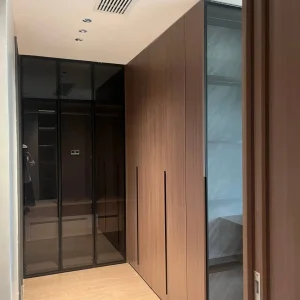
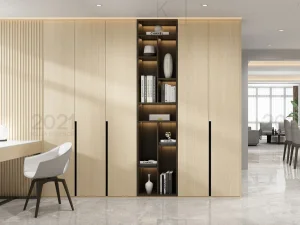
Forton Furniture
Forton Furniture
Forton Furniture
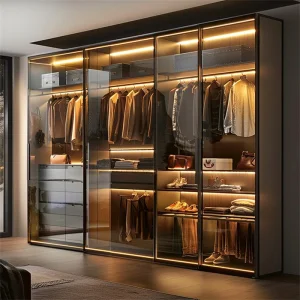
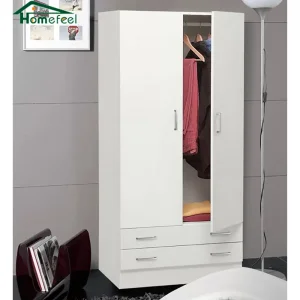
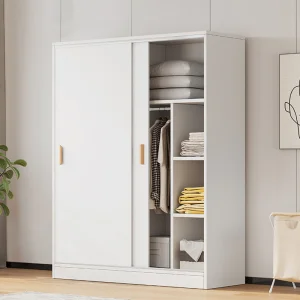
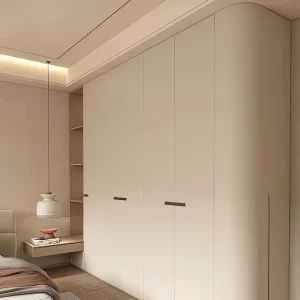
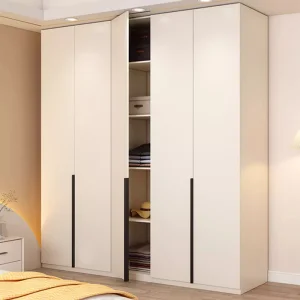
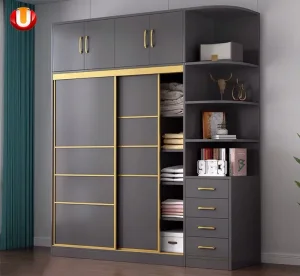
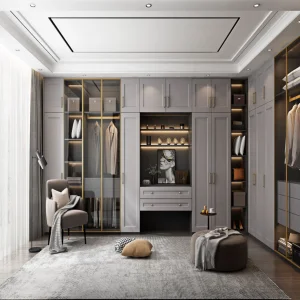
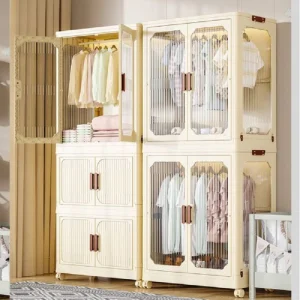
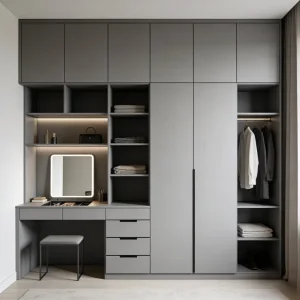
The furniture sector in Tanzania is currently experiencing an unprecedented transformation. Driven by rapid urbanization in commercial hubs like Dar es Salaam, Dodoma, and Arusha, the demand for high-quality, modern, and space-efficient wardrobes and armoires has skyrocketed. As the real estate sector expands, both hospitality and residential projects are shifting from bespoke, site-built joinery to factory-produced, flat-pack, and modular solutions.
Historically, Tanzanian interior projects relied heavily on local artisanal labor. While craftsmanship is high, scale and consistency often lag behind modern project requirements. Today, forward-thinking property developers and hospitality managers are pivoting to international factory partners—like Shunde Forton Furniture Co., Ltd.—to ensure standardization across large-scale projects.
We understand that climate-resilient furniture is paramount in the East African region. Humidity control, pest resistance, and material longevity are the cornerstones of our manufacturing process. Our melamine-faced chipboard and high-density MDF products are treated for tropical conditions, ensuring that your investment in wardrobes remains pristine for years, despite the regional climate.
Founded in 2004, Shunde Forton Furniture Co., Ltd. is not just a manufacturer; we are a partner in your architectural vision. With over 50,000 square meters of production capacity and a team of 600+ experts, we have bridged the gap between global design aesthetics and localized manufacturing needs.
Our approach to the Tanzania market is rooted in Localization and Compliance. We provide comprehensive documentation for import, including certificates of origin and quality assurance reports, simplifying the procurement process for Tanzanian importers and project managers.
Contact Our Consultants for Project QuoteQ: Can you customize wardrobe designs for specific hotel room dimensions in Tanzania?
A: Absolutely. We specialize in bespoke manufacturing. Whether you provide CAD files or architectural sketches, our engineering team will optimize the design for production and shipping efficiency.
Q: What is the lead time for shipping to Dar es Salaam?
A: Lead times depend on order volume and customization. Typically, our production cycle is 30-45 days, followed by sea freight shipping. We assist with all necessary export documentation.
Q: How do you handle quality control for large export orders?
A: We implement a rigorous 5-step QC process, including material inspection, production monitoring, and pre-shipment assembly checks to ensure every piece fits perfectly upon arrival at your site.